Dental Emergenc Plano TX: Smart First Aid for Tooth Injuries
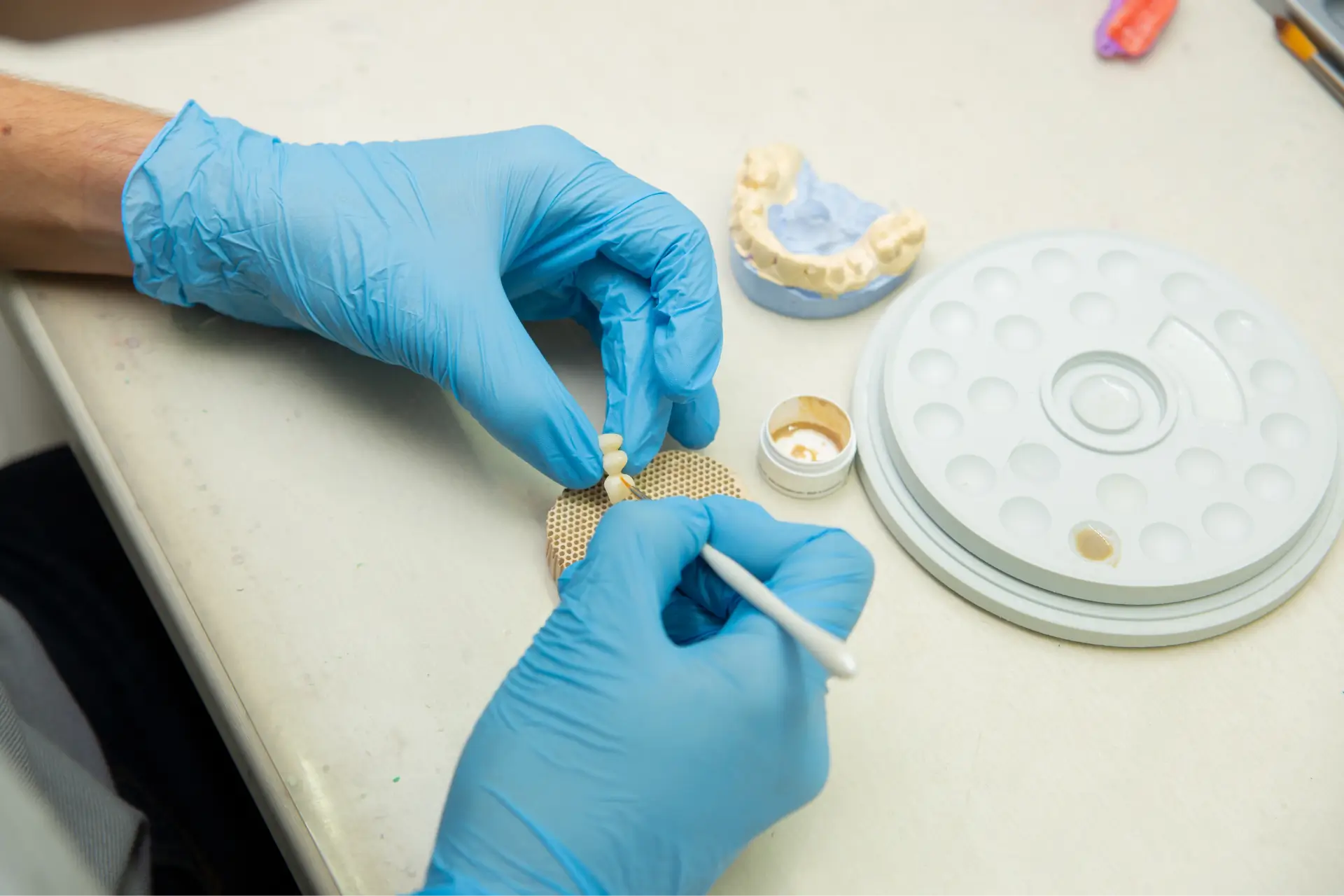
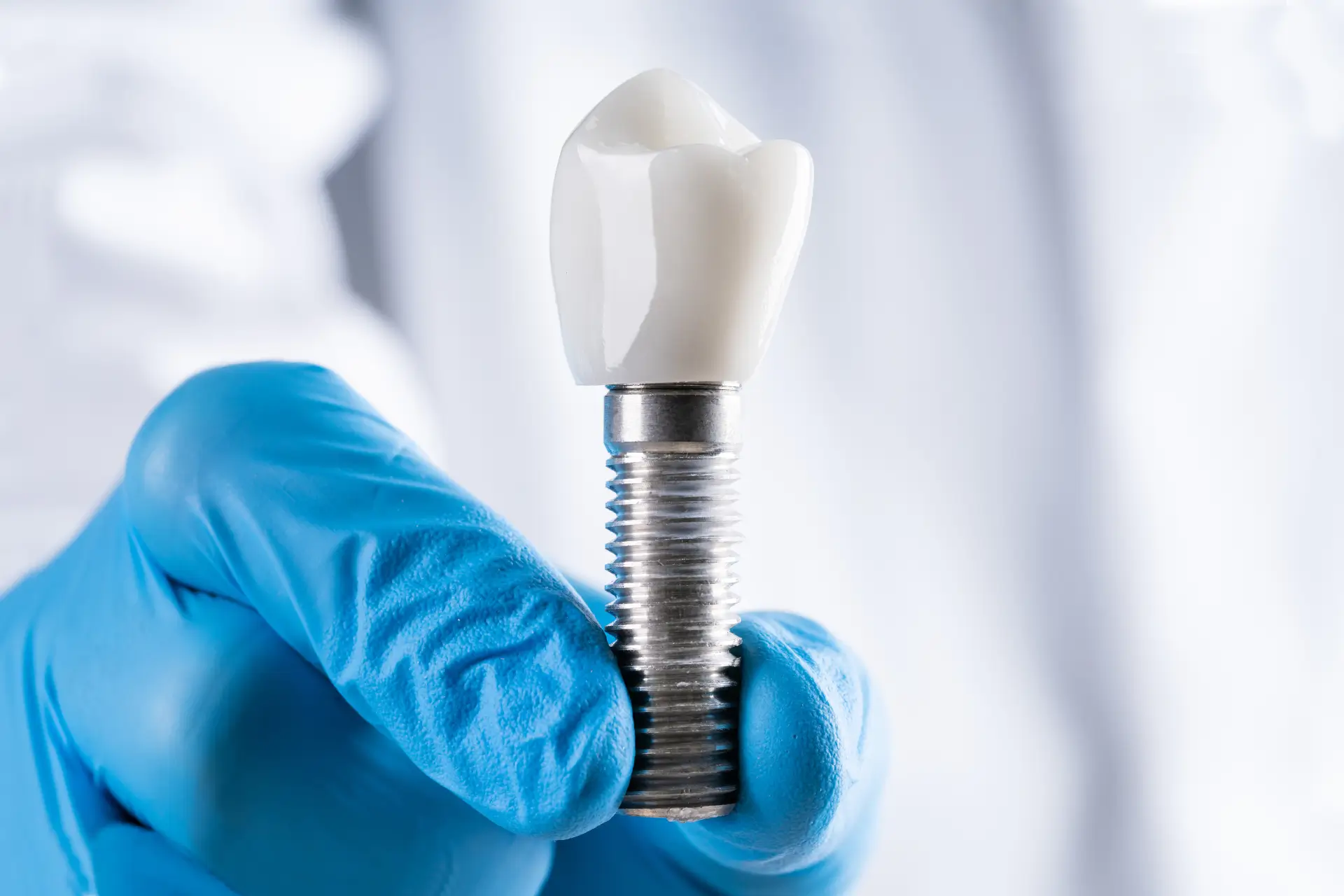
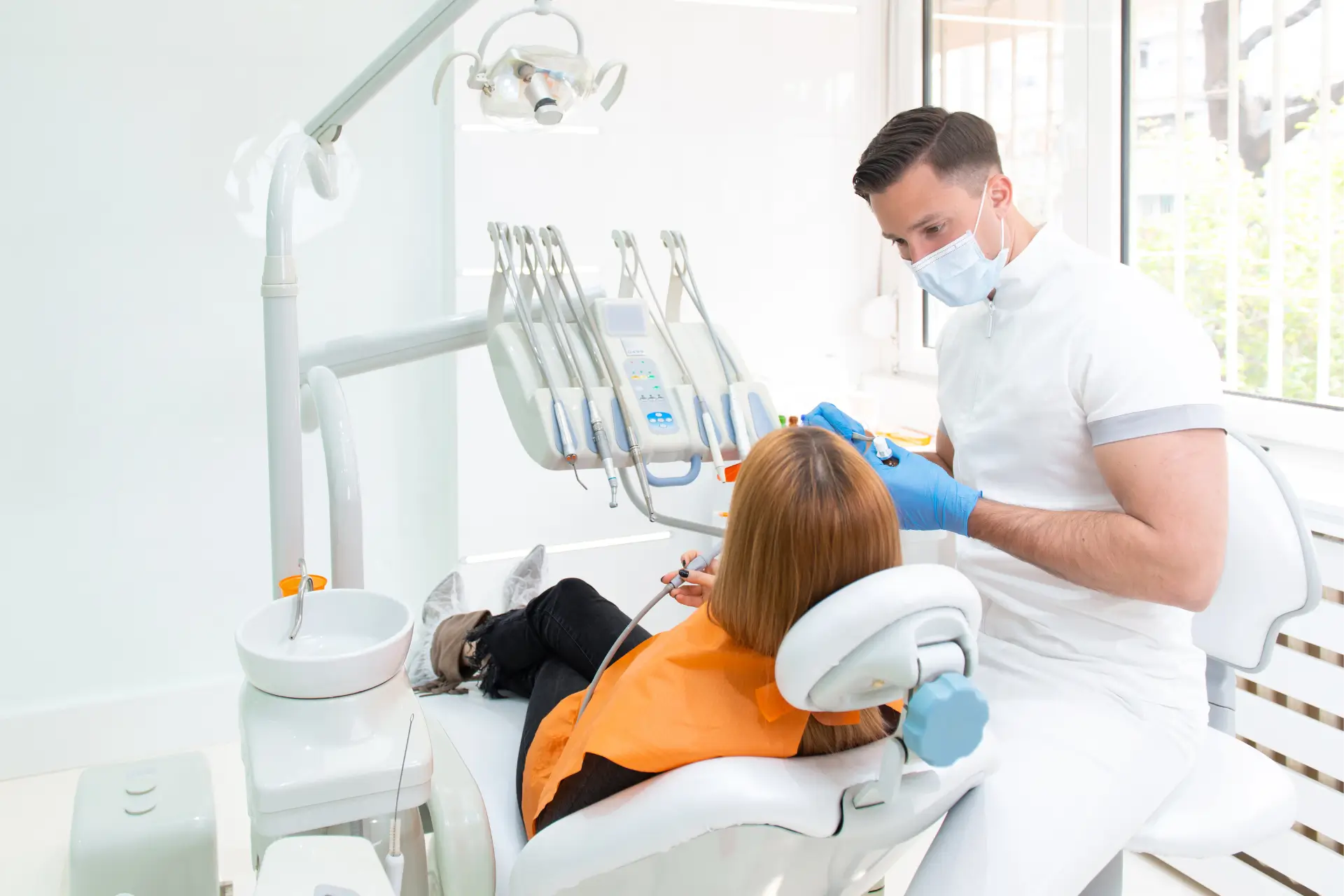
A tooth injury has a way of turning an ordinary day upside down. One minute someone is walking out of a restaurant, finishing a baseball practice, or stepping off a curb in a parking lot. The next minute there is blood in the mouth, pain in the jaw, and the sharp fear that a permanent tooth may be gone for good.
In those first few minutes, calm matters almost as much as speed. The right first aid can protect the tooth, limit bleeding, reduce swelling, and improve the odds that a dentist can save what was damaged. The wrong move, even one made with good intentions, can make treatment harder. I have seen people scrub a knocked-out tooth with soap, wrap it in a dry napkin, or wait until the next morning because the pain seemed manageable. Those choices are common, and they can cost a patient options.
If you are dealing with a Dental Emergency Plano TX situation, especially one involving a broken, loosened, or knocked-out tooth, it helps to know what to do before you are in the dental chair. Tooth injuries are time-sensitive, but they are not all handled the same way. A chipped front tooth after a fall is not managed the way a fully avulsed tooth is. A child with a baby tooth injury needs different care than an adult with a permanent tooth injury. Even something as simple as what liquid you place a tooth in can matter.
This is practical first aid for real-life tooth trauma, the kind that happens at playgrounds, gyms, kitchens, sidewalks, and sports fields.
The first question: is this a dentist problem or an ER problem?
People often hesitate because they are not sure where to go. A dentist is usually the right place for a tooth fracture, a cracked crown, a loosened permanent tooth, a tooth that has been knocked out, or a lost filling with pain. A hospital emergency room can help with pain control and rule out major injury, but many ERs are not equipped to perform definitive dental treatment.
That said, some dental injuries come with medical warning signs that make the ER the safer first stop. If there is uncontrolled bleeding, trouble breathing, fainting, severe facial swelling, suspected jaw fracture, signs of concussion, or deep cuts that may need stitches, medical evaluation should not wait. Tooth trauma often comes from falls, fights, bike accidents, and sports collisions. The mouth may not be the only thing injured.
A useful rule is this: if the injury involves the whole person, not just the tooth, start with emergency medical care. If the person is otherwise stable and the urgent issue is the tooth itself, contact a dentist immediately.
Why the first 30 minutes matter so much
Teeth are living structures attached by delicate fibers and supported by bone and gum tissue. When a permanent tooth is knocked out completely, those tissues begin to dry and die if the tooth is left exposed. Reimplantation works best when it happens quickly, often within 30 minutes if circumstances allow, though dentists may still attempt to save a tooth after a longer period depending on how it was stored and the overall condition.
Timing also matters with displaced teeth. A tooth that has been pushed inward, pulled outward, or shifted sideways may be easier to reposition when swelling is limited and before a clot stabilizes it in the wrong place. Cracks and fractures also become more complicated if a patient delays, because bacteria can enter the pulp, pain can escalate, and a repairable fracture can turn into an extraction case.
This is one of those areas where “it can wait until tomorrow” sometimes becomes “I wish we had come in sooner.”
What to do immediately after a tooth injury
The first few minutes should be organized around bleeding control, tooth preservation, pain reduction, and deciding how fast the patient needs to be seen.
Use this short sequence:
- Have the person sit upright and gently bite on clean gauze or a clean cloth to control bleeding.
- Look for the tooth or tooth pieces, handling any tooth only by the crown, which is the chewing or visible part, not the root.
- Rinse the mouth gently with water if there is dirt or blood, but do not aggressively swish after major trauma.
- Apply a cold compress to the outside of the face for 10 to 15 minutes at a time to reduce swelling.
- Call a dentist right away, and if there are signs of head injury, breathing trouble, heavy bleeding, or possible jaw fracture, go to the ER.
That basic approach helps in most scenarios, but the details change depending on the injury.
If a permanent tooth gets knocked out completely
A knocked-out permanent tooth is the classic dental trauma emergency. It is also the injury where first aid can make the biggest difference. When someone brings in a tooth that has been protected properly, the conversation is often about stabilization and follow-up. When the tooth has dried out in a tissue on the car dashboard, the odds drop sharply.
The critical point is simple: do not touch the root. The root surface contains cells that help the tooth reattach. Scraping, scrubbing, or drying that surface can damage those cells.
If the tooth is visibly dirty, rinse it briefly with milk or saline. Clean water can be used if nothing else is available, but keep the rinse short and gentle. Do not use soap. Do not disinfect it. Do not wrap it in dry gauze.
If the injured person is alert, old enough to cooperate, and there is no risk of swallowing it, the best place for the tooth is often back in its socket right away. It should be oriented correctly, gently placed, and held in place by having the person bite softly on gauze. This idea sounds intimidating to many people, but it is standard first aid when done carefully for a permanent tooth.
If reimplantation on the spot is not possible, keep the tooth moist. Cold milk is often recommended because it is accessible and relatively kind to the cells on the root. Saline is also reasonable. Some tooth preservation kits exist, but few people have them on hand during an accident. Holding the tooth inside the cheek can be considered for an older cooperative patient, though milk is usually simpler and safer. Plain water is less ideal for longer storage, but it is better than letting the tooth dry out.
A common mistake is assuming any tooth can be put back in place. That is not true for baby teeth.
Baby teeth are different
Parents panic when a child loses a tooth after a fall, and that reaction is understandable. Still, if the knocked-out tooth is a baby tooth, do not try to reinsert it. Pushing a baby tooth back into the socket can injure the developing permanent tooth underneath.
Children still need prompt dental evaluation after a baby tooth injury. The dentist will check for damage to neighboring teeth, gum lacerations, and hidden trauma to the permanent successor. Sometimes what looks like a simple loss of a baby tooth is paired with a lip injury, a root fragment, or a tooth driven into the gum rather than fully out.
This distinction between baby and permanent teeth trips people up all the time. Age helps, but it is not perfect. If a child is around six or seven, mixed dentition is common, meaning baby and permanent teeth may both be present. If you are unsure which kind of tooth it is, keep the tooth moist and ask the dentist while you are on the phone.
Broken teeth, cracked teeth, and what not to ignore
Not every dental injury ends with a tooth on the ground. More often, the tooth is still in the mouth but fractured. The seriousness can range from a tiny enamel chip to a deep crack exposing the pulp, which may look pink or red at the center.
If a piece breaks off, save the fragment if you can find it. Dentists can sometimes bond the original piece back into place, especially when the fracture is clean and the fragment has been kept moist. That is not always possible, but it is worth trying.
Pain is an important clue, though not a perfect one. A tooth can have a significant crack with little immediate discomfort, especially if adrenaline is high after a fall. On the other hand, a small chip can feel dramatic because the edge is sharp and the exposed dentin is sensitive to air and temperature.
What deserves same-day attention? Any fracture with pain, bleeding around the tooth, a visible change in position, a loose tooth, sensitivity that feels deep or electric, or a broken front tooth where the nerve may be exposed. If the tooth is merely chipped and painless, it may still be repairable on a less urgent schedule, but it should be assessed soon. Tiny chips can hide larger cracks.
When a tooth is loose or pushed out of place
A tooth that is still in the mouth but mobile after trauma should not be tested over and over with the tongue or fingers. Patients do this constantly. It is an understandable reflex, but it adds more movement to already injured tissues.
Sometimes the tooth has been extruded slightly, meaning it looks longer than the tooth next to it. Sometimes it is intruded, meaning it has been pushed deeper into the gum. Sometimes it shifts sideways. These are all urgent dental injuries. They may require repositioning and stabilization with a splint.
Until you can be seen, keep pressure off that tooth. Eat nothing hard. If the bite feels very wrong, mention that immediately when you call. A changed bite after facial trauma raises concern for tooth displacement or jaw injury.
Soft tissue injuries matter too
A mouth injury often includes cuts to the lips, cheeks, or tongue. These can bleed heavily because the tissues are richly supplied with blood. That amount of blood looks alarming, but many lacerations stop with steady pressure.
Rinse gently with water to remove debris. Apply direct pressure with clean gauze or cloth. A cold compress outside the mouth can help with both swelling and bleeding. If a lip is cut from the inside and outside, if the wound gapes open, if there may be embedded tooth fragments, or if bleeding does not settle with pressure, medical care is appropriate. Dentists often manage oral soft tissue trauma, but some cases need suturing in an urgent care or ER setting, especially when the border of the lip is involved.
One detail many people miss is checking the broken tooth against the soft tissue injury. A missing fragment may not be lost at all. It may be lodged in the lip. X-rays are sometimes needed if the story and the visible damage do not match.
Pain control at home, without making things worse
Pain after tooth trauma can come from the tooth itself, the periodontal ligament, the jaw muscles, or soft tissue bruising. Cold compresses are helpful and low risk. Over-the-counter pain medication may also help, provided the patient can take it safely. Many adults do well with ibuprofen or acetaminophen within labeled directions, but medication decisions depend on age, medical history, allergies, anticoagulant use, liver disease, kidney issues, pregnancy, and other factors. When in doubt, ask the dentist or physician.
Aspirin placed directly on the gum is still a stubborn home remedy, and it is a bad one. It can irritate or burn soft tissue and does not solve the underlying injury. Heat is also usually the wrong instinct in the first day because it can worsen swelling.
Food choices matter more than people expect. After trauma, even a repaired tooth can be aggravated by crunchy chips, crusty bread, nuts, or chewing ice. Soft foods, a gentle bite, and avoiding the injured side are practical protections.
Mistakes that reduce the chance of saving the tooth
Some of the https://andrefhii229.novacrestiq.com/posts/dental-emergenc-tips-for-families-in-plano-tx worst outcomes begin with simple errors, not severe injuries. If you remember what not to do, you will avoid a surprising amount of damage.
Here are the common missteps:
- Scrubbing a knocked-out tooth or touching the root with fingers, tissues, or a toothbrush.
- Letting the tooth dry out in a napkin, pocket, cup holder, or countertop.
- Delaying care because the bleeding stopped or the pain seemed tolerable.
- Reinserting a baby tooth after it has come out.
- Assuming a small chip is purely cosmetic when the tooth feels sensitive or the bite changed after impact.
These are the situations that turn a manageable injury into a more expensive, more invasive one.
Sports injuries, school injuries, and everyday accidents in Plano
Tooth trauma is not limited to contact sports, though football, basketball, baseball, hockey, martial arts, and skateboarding are obvious culprits. I have seen just as many injuries from slips near pools, collisions in school hallways, dog-related accidents, and simple falls off bikes or scooters. Adult patients often get hurt during home improvement projects, gym workouts, or while carrying something bulky that blocks their view.
In a place like Plano, where families move between school schedules, youth athletics, parks, and busy roads, the practical challenge is not just the injury itself. It is getting organized fast. Who has the child. Where is the tooth. Is this a baby tooth. Do we go to the dentist, urgent care, or ER. The person who stays calm usually makes the best decisions.
If you are a parent of an active child, it is worth thinking ahead. Know where your family dentist refers after hours. Keep gauze at home and in the car. Save the office number in your phone. If a child plays sports with a risk of oral impact, a properly fitted mouthguard is far cheaper than trauma care.
What a dentist may do once you arrive
Patients often expect a quick filling and a lecture to be more careful. Dental trauma is usually more nuanced than that. The first visit may include radiographs, pulp testing, photographs, bite evaluation, soft tissue examination, and assessment of tooth mobility. If the injury is severe, the dentist may reposition the tooth, place a splint, smooth a sharp edge, seal exposed dentin, perform root canal therapy, prescribe follow-up imaging, or coordinate with an oral surgeon or endodontist.
Not every damaged tooth is treated definitively on day one. Sometimes the first goal is to stabilize and monitor. A tooth that survives the first week may still develop pulp necrosis months later. Color changes, lingering sensitivity, swelling, and recurrent pain can show up after the patient thought the crisis had passed. Good follow-up matters.
This is especially true in children and teenagers. Their teeth and supporting structures may respond differently than those of adults, and ongoing growth changes the treatment picture.
A few edge cases people rarely think about
Crown restorations, veneers, and braces complicate trauma. If a crown pops off during an injury, the underlying tooth may be more vulnerable than it looks. If a patient has braces, a wire or bracket can cut soft tissue or lock a displaced tooth into an awkward position. Orthodontic wax can help cover a sharp bracket temporarily, but the patient still needs prompt evaluation.
Implants are another special case. An implant cannot be “knocked out and put back” like a natural tooth. If an implant crown becomes loose, the issue may be limited to the restoration. If the implant itself is mobile after trauma, that is a significant problem and needs urgent dental assessment.
Then there is the delayed fracture, common after an initial hit that seemed mild. A patient bumps a tooth, feels fine, and carries on. Days later the tooth becomes sore to bite on, or a visible crack appears. That does not mean the dentist missed something. Some injuries evolve as inflammation develops or as a weakened cusp finally gives way.
How to judge urgency when you are not sure
If you are on the fence, err toward contacting a dentist the same day. Photographs taken in good light can help an office triage when they are advising you by phone, especially for chips, swelling, or changes in tooth position. Describe what happened, when it happened, whether the tooth is baby or permanent if known, whether the tooth is loose, and whether there is bleeding, swelling, or a bite change.
When people search online for “Dental Emergency Plano TX,” what they usually want is not theory. They want to know whether waiting will cost them the tooth. Sometimes the answer is yes. Immediate action is especially important for knocked-out permanent teeth, displaced teeth, uncontrolled bleeding, and injuries paired with facial trauma.
The phrase Dental Emergenc sometimes shows up in rushed searches and mobile typos, usually because the person typing is stressed and moving fast. That says a lot about the moment. Dental trauma decisions are often made in a parking lot, on a sideline, or in the back seat of a car. Simple, accurate first aid matters because nobody is making that decision under ideal conditions.
The calm approach that protects options
Tooth injuries feel dramatic, but the first-aid priorities are straightforward. Control the bleeding. Protect the tooth and any fragments. Keep a knocked-out permanent tooth moist. Avoid damaging the root. Do not reinsert a baby tooth. Get professional care quickly, and use the ER when the injury is bigger than the tooth.
That calm, disciplined response preserves options. It gives the dentist a better chance to save the tooth, reduce complications, and restore function and appearance with less invasive treatment. In dental trauma, the first person to help is often not the dentist. It is the parent, coach, spouse, teacher, friend, or patient who knows what to do in the first ten minutes.
Vitality Dental
Address: 1220 Coit Rd #106, Plano, TX 75075
Phone number: +19726454100
FAQ About Dental Emergency Plano TX
What can the ER do for a tooth?
An emergency room (ER) can manage pain and treat severe infections with medication, but it cannot fix or pull a tooth.
What is considered a dental emergency?
A dental emergency is any oral health problem that involves severe pain, uncontrollable bleeding, or an infection that threatens your health or requires immediate care to save a tooth.
Is there a 24-hour dental service in Plano, TX?
There is no physical dental clinic in Plano, Texas, that stays open with walk-in staff 24 hours a day, but several offices offer 24/7 phone support, late-night hours, or same-day emergency care.