Dental Emergency Plano TX for Broken Teeth and Lost Fillings
A broken tooth or a lost filling has a way of ruining an ordinary day in minutes. You might be eating lunch in Plano, feel a sharp crack, and suddenly everything changes. The tooth is rough against your tongue, cold water stings, and now you are trying to decide whether this is something you can wait out or something that needs urgent care.
In practice, these situations sit in a gray area for many patients. They are not always dramatic enough to look like a hospital emergency, but they can become serious quickly if they are ignored. A cracked molar can split deeper overnight. A filling that falls out can expose sensitive dentin and leave the tooth vulnerable to further fracture, food impaction, and decay. Pain is only part of the story. The bigger concern is how fast small damage can turn into a larger, more expensive problem.
If you are searching for a Dental Emergency Plano TX provider because of a broken tooth or missing filling, the most useful thing to know is this: timing matters, but panic does not help. A calm response in the first few hours can protect the tooth, reduce pain, and improve the odds that treatment stays straightforward.
What counts as a true dental emergency
Not every chip or old filling issue requires a same-hour visit, but many do deserve same-day attention. The distinction depends on pain, function, and the risk of further damage.
A tiny enamel chip with no pain and no sharp edge may be inconvenient more than urgent. On the other hand, a fractured cusp on a back tooth often starts as an annoyance and becomes severe when you bite down on the wrong spot. A lost filling can feel manageable at first, especially if the tooth does not hurt right away, but exposed areas tend to react strongly to cold, sweets, air, and chewing pressure.
The cases that move to the front of the line are usually the ones with significant pain, visible tooth structure loss, swelling, bleeding that does not stop, trauma to the mouth, or difficulty biting without a jolt. If part of the tooth is mobile, if the break extends near the gumline, or if the lost filling leaves a deep hole where food packs in immediately, it should be treated promptly.
In a busy family practice, broken teeth and lost fillings are among the most common urgent calls. They often happen at the least convenient times, during dinner, before a trip, or late Friday afternoon. The pattern is familiar. A patient says, “It did not hurt much at first, but now I cannot chew on that side at all.” That change tells you the tooth is under stress.
How broken teeth happen, and why the cause matters
Teeth rarely break “for no reason.” Even when it seems sudden, the failure usually reflects wear, hidden decay, an aging filling, grinding, or a bite pattern that has overloaded one area for months or years.
A front tooth may chip after a sports injury or a fall. A molar often cracks while chewing something tough, crunchy, or unexpectedly hard, like an olive pit, popcorn kernel, or ice. Teeth with large silver or white fillings are especially prone to fracture because there is simply less healthy tooth left to support biting forces. Root canal treated teeth are another common category. They can function well for years, but if they were never crowned, they are more likely to split.
The cause matters because it changes treatment. A clean chip on a front tooth may be repaired beautifully with bonding. A fractured molar with an undermined old filling might need a crown. A crack that runs below the gumline may not be restorable at all. That is why a proper exam and X-rays are not just formalities. They answer the question patients care about most, which is whether the tooth can be saved predictably.
Lost fillings are small problems until they are not
When a filling falls out, people often describe it as if the tooth has become hollow overnight. That is usually accurate. The filling was occupying space created by prior decay or damage. Once it is gone, the remaining walls of the tooth may be thin, unsupported, and sensitive.
Some lost fillings come out cleanly because the restoration has simply reached the end of its lifespan. Others fall out because decay has formed around the edges, weakening the seal. In those cases, replacing the filling is not always enough. The tooth may need deeper cleaning of decay, a larger restoration, or in some instances a crown if too much structure has been compromised.
There is also a practical issue patients notice immediately. Food gets trapped. The tooth feels sharp. Floss shreds or catches. Cold drinks become unpleasant. None of that should be dismissed as a nuisance. It is the tooth telling you that protection has been lost.
What to do in the first hour
The first hour after a tooth breaks or a filling comes out is mostly about damage control. If you can do a few simple things, you can often make yourself much more comfortable before you get to the dentist.
- Rinse gently with warm water to clear debris and help you see what happened.
- If there is swelling, apply a cold compress on the outside of the face for short intervals.
- Save any tooth fragment or filling piece if you can find it, even though it often cannot be reused.
- Avoid chewing on that side, especially hard, sticky, or very hot and cold foods.
- Call a dental office right away and describe the pain, swelling, and the size of the broken area.
If the tooth has a sharp edge that is cutting your tongue or cheek, dental wax from a pharmacy can help temporarily. Sugar-free gum can work in a pinch, though wax is better. Over-the-counter pain relievers may reduce discomfort, but they do not fix the structural problem. Aspirin should not be placed directly on the gum or tooth. That old home remedy can burn soft tissue.
Signs you should not wait until next week
A lot of people try to make it through a few days because work is busy, kids have activities, or the discomfort comes and goes. Delay is understandable, but some symptoms mean the situation is unstable.
Pain that wakes you up, swelling around the gum or face, pain when you bite and release, temperature sensitivity that lingers, or a bad taste near the tooth can point to deeper involvement of the nerve or infection. A lost filling on a tooth that already had repeated work is more likely to uncover a larger issue than a simple refill. If the tooth broke after very little force, that can also signal hidden decay or structural weakness beyond the visible chip.
One common scenario deserves special mention. A patient breaks a cusp off a molar, feels some relief because the pressure is gone, then assumes the problem has solved itself. It has not. The tooth may have shed the weakest part, but the remaining tooth is now more fragile than before and often needs a crown to prevent further fracture.
What the dentist is looking for
During an urgent visit, the exam is focused and practical. The dentist wants to know three things: how deep the damage goes, whether the nerve is threatened, and whether the tooth is restorable.
This usually means a visual exam, percussion testing, bite testing, and one or more X-rays. Sometimes the crack line itself cannot be seen clearly on an X-ray, especially early on, but the surrounding clues are enough to guide treatment. The response to cold, the way the tooth hurts on pressure, and the pattern of fracture often tell the real story.
Patients are sometimes surprised when the treatment recommendation is more involved than expected. They come in thinking they need “just a filling,” and leave hearing about a crown or https://privatebin.net/?fa9eb85a5dfbb1e1#DPzsYVTDgagJDC6JQEnTQiaV3QBWbsTWUc1XH5kAeote root canal. That is not upselling when it is done honestly. It is risk management. If a tooth has lost too much support, a simple filling may fail quickly or allow the crack to progress.
Common treatment paths for broken teeth and lost fillings
The right treatment depends on how much natural tooth remains, where the damage is located, and whether the nerve is still healthy.
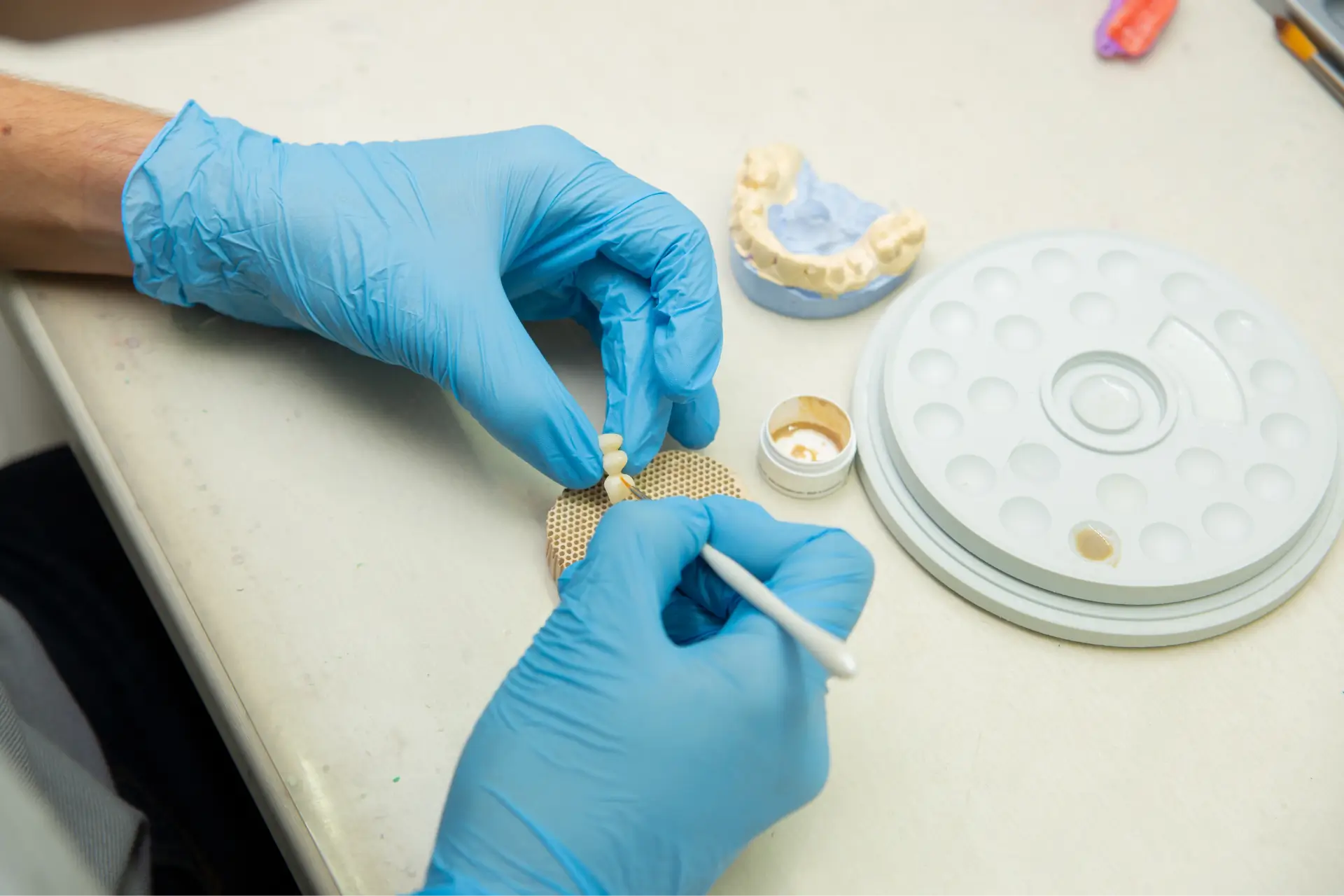
A small chip on an anterior tooth can often be smoothed or bonded in one visit. These repairs can look excellent when the fracture is limited to enamel or superficial dentin. Back teeth are different. Because molars absorb heavy forces, a fractured cusp or large missing segment often needs a crown or onlay rather than another direct filling.
Lost fillings range widely. If the cavity is small and the remaining tooth is strong, the filling may simply be replaced. If decay has spread underneath, the preparation may need to be enlarged. If the missing filling was already large, the tooth may be better protected with a crown. If the nerve is exposed or irreversibly inflamed, root canal treatment may be necessary before the final restoration.
There are also situations where emergency care is intentionally temporary. A dentist may place a sedative material or provisional filling to calm the tooth and protect it, then schedule the definitive restoration after symptoms settle or after a specialist evaluates the case.
Temporary fixes at home, and their limits
Pharmacies sell temporary filling kits, and they do have a role. Used carefully, they can cover an exposed area for a day or two and reduce sensitivity. They are not a long-term answer.
The problem is retention and sealing. Store-bought materials are not designed to replicate a bonded restoration or precisely shaped filling. They can wash out, trap bacteria, or create an uneven bite if packed too high. That can make the tooth hurt more. If you use one, think of it as a short bridge to professional care, not a substitute for it.
The same is true for at-home glues or repair products that are not meant for dental use. Those can complicate treatment and irritate tissue. Dentists would much rather see a clean, untreated broken area than a tooth covered in hardware adhesive or household cement.
Plano patients often ask, “Should I go to the ER or a dentist?”
For broken teeth and lost fillings, the dentist is usually the right place to start. Hospital emergency rooms are essential for facial trauma, uncontrolled bleeding, difficulty breathing, rapidly spreading swelling, high fever, or injuries involving the jaw and other medical concerns. They can help with pain control and infection management in serious cases, but they typically do not perform restorative dental treatment such as replacing fillings, bonding fractured enamel, or placing crowns.
That is why searching specifically for Dental Emergency Plano TX care is often more useful than going straight to a medical facility for a non-life-threatening dental issue. A dental office has the imaging, materials, and clinical approach to stabilize the tooth itself.
If swelling is affecting breathing or swallowing, or if trauma includes possible concussion, deep facial cuts, or a suspected broken jaw, that shifts the problem into medical emergency territory. In those cases, do not wait on a routine dental callback.
Cost concerns, and the price of waiting
Many people hesitate because they are worried about cost. That concern is real, especially when dental insurance is limited or absent. Still, early treatment is almost always less expensive than delayed treatment.
A lost filling replaced quickly may stay a filling. The same tooth, left open for weeks, can crack and turn into a crown or root canal case. A chipped edge can be polished or bonded when addressed early. If the tooth continues to take force and breaks deeper, options narrow.
Dental offices that handle urgent care regularly often discuss phased treatment when appropriate. That may mean doing what is needed to stop pain and protect the tooth today, then scheduling the final restoration later. Communication matters. Patients should feel comfortable asking what is urgent now, what can wait briefly, and what the risks of delay actually are.
Children, older adults, and patients with heavy dental work
Not every mouth responds the same way to dental emergencies. Children can chip front teeth during sports or playground falls, and the timing of treatment may depend on whether the tooth is primary or permanent. A chipped baby tooth is evaluated differently than a fractured adult incisor.
Older adults often present with a different pattern, fractured teeth around old restorations, recurrent decay under crowns, or root fractures in teeth with years of cumulative wear. Dry mouth from medications also raises the risk of decay around existing fillings.
Patients with extensive dental work, especially large fillings, bridges, implants adjacent to natural teeth, or a known grinding habit, need especially careful evaluation. The broken tooth may be only part of the issue. Bite forces, wear facets, and clenching patterns can explain why the problem happened and whether it is likely to happen again.
In practical terms, that may mean the emergency visit solves the immediate problem, but the long-term plan includes a night guard, bite adjustment, or replacement of aging restorations before they fail one by one.
How to lower the odds of another break
No prevention plan is perfect, but some habits make a noticeable difference, especially for people who have already had one urgent dental visit.
- Do not chew ice, popcorn kernels, pens, or other hard non-food items.
- Wear a properly fitted mouthguard for contact sports and a night guard if you grind.
- Keep regular exams so old fillings and cracked areas are caught before they fail.
- Treat small sensitivity changes early, since they sometimes signal a leaking restoration.
- Do not use teeth as tools to open packaging or hold objects.
The people most likely to avoid repeat emergencies are usually not the people with perfect teeth. They are the ones who respond early to small warning signs. A filling that feels loose, a bite that suddenly changes, or a tooth that catches floss every time is worth checking before it becomes a Saturday emergency.
The emotional side of a dental emergency
There is also a human piece to all of this that gets overlooked. Dental pain is intimate. It affects how you eat, sleep, talk, and focus. People become anxious quickly when they can feel part of a tooth missing with their tongue or when every sip of water hurts. That anxiety is not an overreaction. It is a normal response to an unstable, painful problem in a part of the body you use constantly.
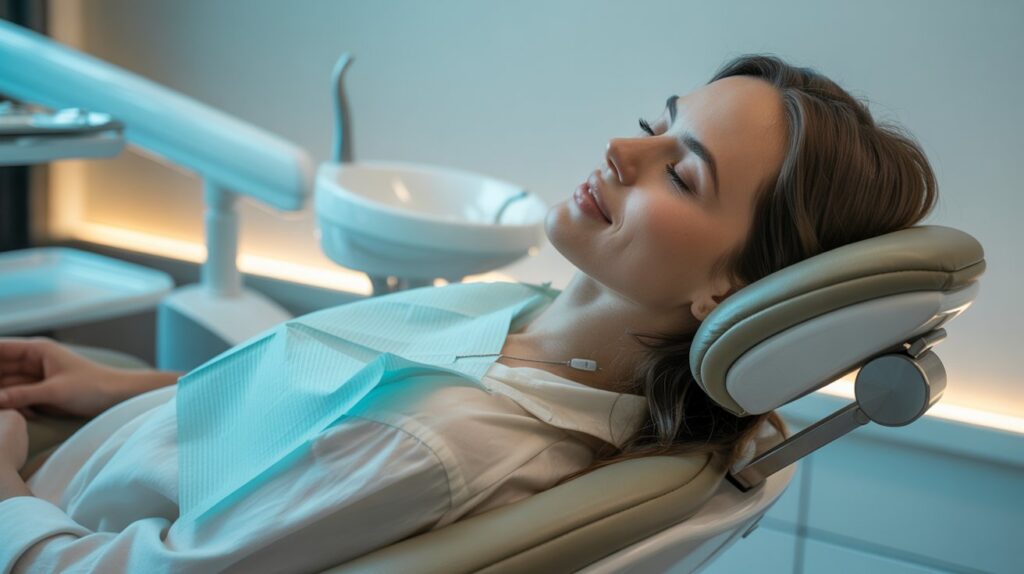
Good emergency dental care should account for that. Patients need clear explanations, realistic expectations, and a plan. Sometimes the best thing a clinician can do in the first few minutes is say, “I can see why this hurts, and here is what we can do today.” Certainty, even partial certainty, lowers stress.
That is especially true when treatment must happen in stages. If a tooth needs a temporary measure now and definitive work later, patients do better when they understand why. They can tolerate inconvenience more easily when the reasoning is clear and the next step is already mapped out.
When prompt care preserves options
The biggest advantage of timely emergency treatment is not just pain relief. It is preservation of options. A tooth seen early may be restored conservatively. A tooth neglected through repeated chewing cycles, contamination, and progressive cracking can cross a line where saving it becomes uncertain.
That is the practical takeaway for anyone dealing with a broken tooth or a lost filling in Plano. If the damage is fresh, protect the area, avoid chewing on it, and get it assessed promptly. Even if the pain seems modest, the underlying structural issue may not be.
A true Dental Emergenc situation does not always look dramatic from the outside. Sometimes it is just a missing filling in the mirror or a small broken edge you can feel with your tongue. But if that change affects comfort, function, or the integrity of the tooth, it deserves attention. Fast, thoughtful care can mean the difference between a straightforward repair and a much bigger problem a week later.
Vitality Dental
Address: 1220 Coit Rd #106, Plano, TX 75075
Phone number: +19726454100
FAQ About Dental Emergency Plano TX
What can the ER do for a tooth?
An emergency room (ER) can manage pain and treat severe infections with medication, but it cannot fix or pull a tooth.
What is considered a dental emergency?
A dental emergency is any oral health problem that involves severe pain, uncontrollable bleeding, or an infection that threatens your health or requires immediate care to save a tooth.
Is there a 24-hour dental service in Plano, TX?
There is no physical dental clinic in Plano, Texas, that stays open with walk-in staff 24 hours a day, but several offices offer 24/7 phone support, late-night hours, or same-day emergency care.