Dental Emergency Plano TX: What to Do Before You Reach the Dentist
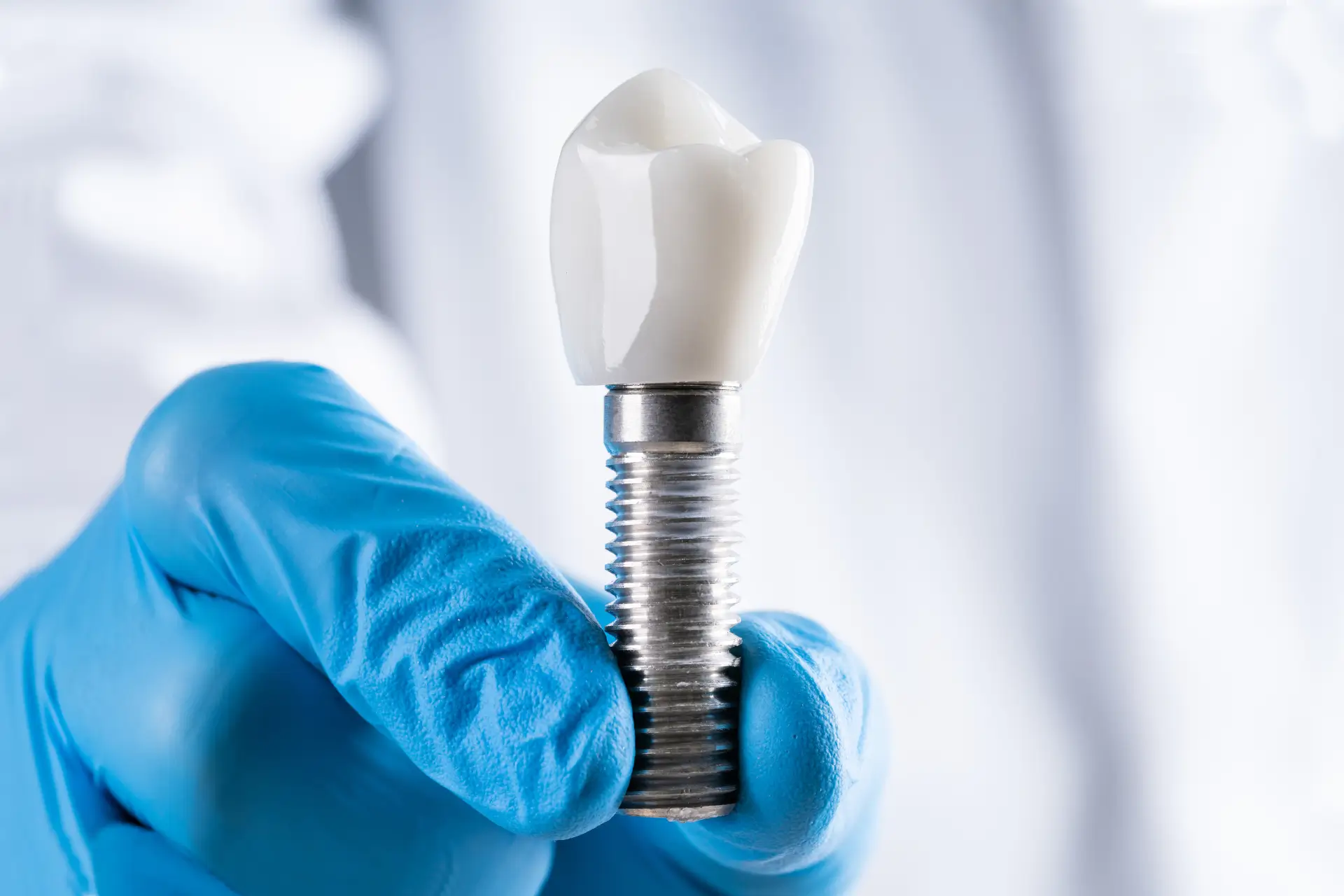
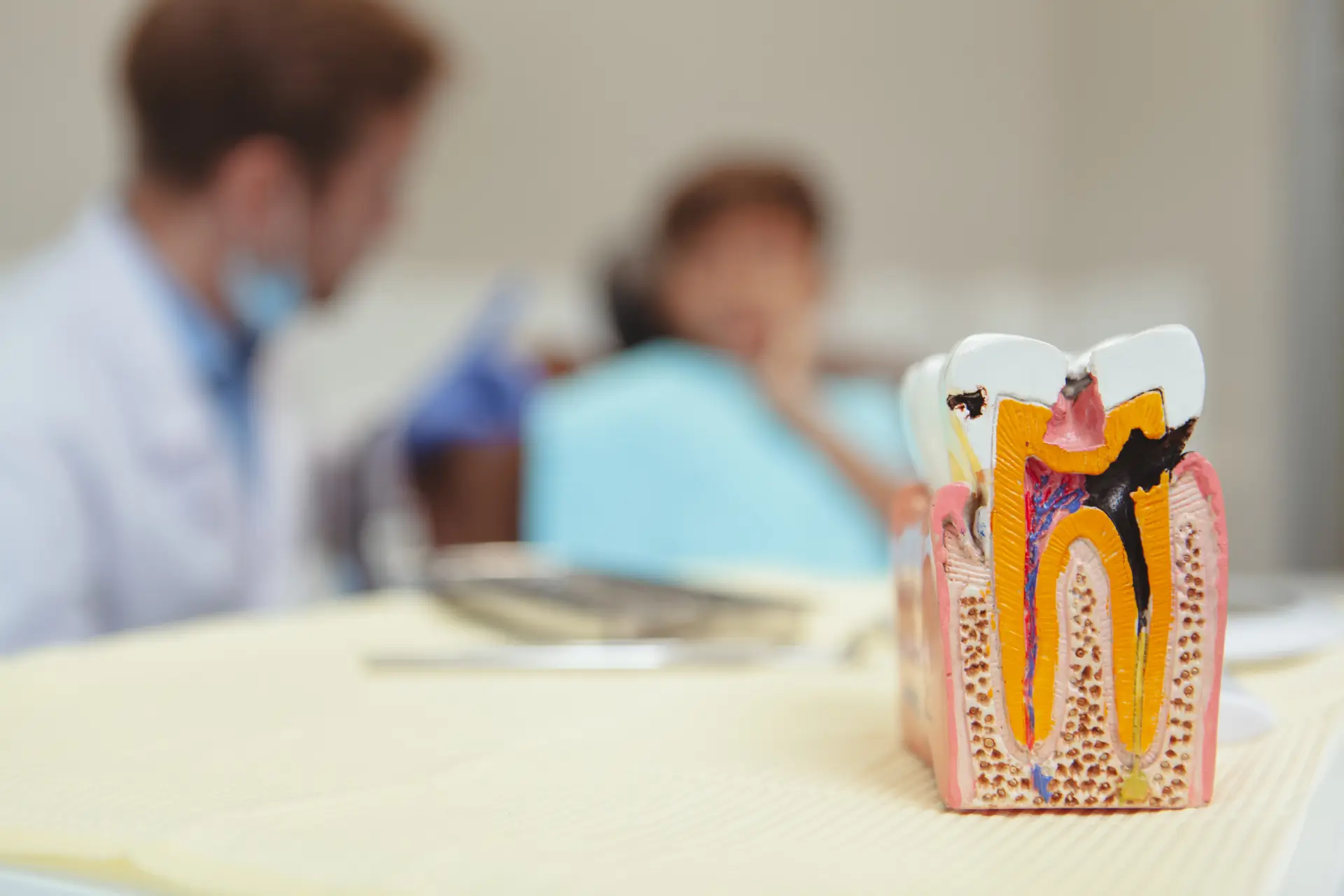
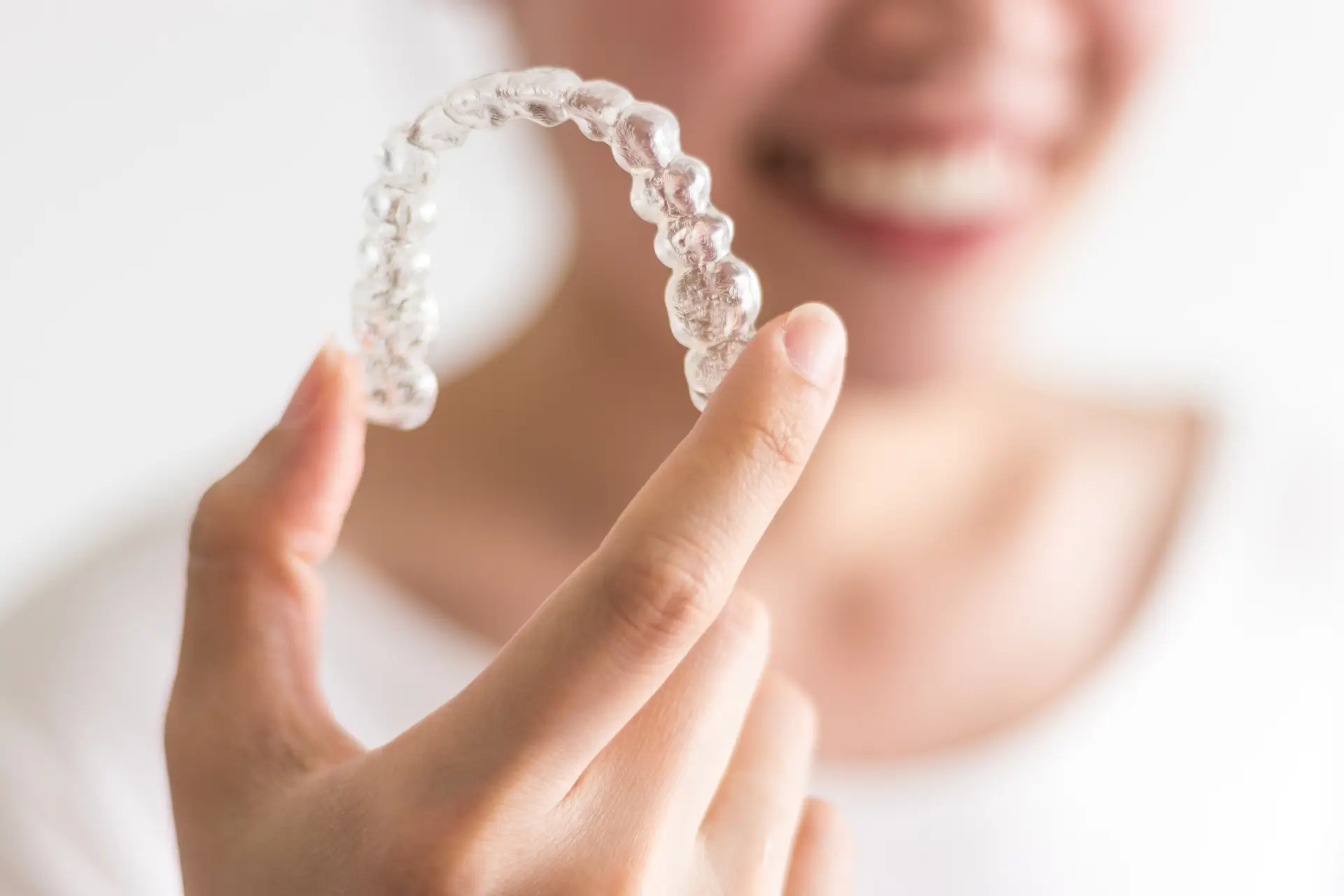
A dental emergency rarely arrives at a convenient time. It happens during a workday meeting, over a weekend meal, on the sidelines of a child’s soccer game, or late at night when every sensation feels sharper. In those first few minutes, most people are not thinking clearly. They are wondering whether the pain will stop, whether the tooth can be saved, and whether waiting until morning is a mistake.
If you are dealing with a Dental Emergency Plano TX situation, what you do before you reach the office can make a real difference. Not every problem is life threatening, but many are time sensitive. A knocked-out tooth has a very different clock than a lost filling. Facial swelling carries different risks than a chipped front tooth that is not painful. The hard part is knowing how serious the problem is and how to protect yourself until a dentist takes over.
I have seen the same pattern again and again. People either do too little and wait too long, or they panic and try home fixes that make matters worse. Aspirin placed directly on the gums can burn tissue. Superglue on a broken crown creates a mess no one wants to clean up. Trying to “tough it out” with spreading swelling can turn a manageable dental infection into a medical issue.
The goal here is simple, keep the situation stable, reduce harm, and give your dentist the best chance to treat the problem effectively when you arrive.
First, know what counts as a true dental emergency
Not every dental problem needs immediate same-day treatment, but some clearly do. Severe pain that does not let up, bleeding that will not stop, a tooth that has been knocked out, rapidly increasing swelling, signs of infection, trauma to the mouth or jaw, and a broken tooth with exposed nerve pain are all situations that deserve urgent attention.
A mild toothache that comes and goes, or a small chip with no sensitivity, may not require a rush to the office within the hour. Still, even lesser issues deserve timely care. Small problems have a way of becoming weekend emergencies when people ignore them.
One useful question is this: is the problem affecting function, safety, or the chance of saving a tooth? If the answer is yes, it is an emergency or at least an urgent dental issue.
There is also an important line between a dental emergency and a medical emergency. Trouble breathing, trouble swallowing, major facial trauma, uncontrolled bleeding, severe swelling that spreads toward the eye or neck, or symptoms such as fever with a worsening infection should not wait on a routine dental callback. Those cases can require emergency medical care right away.
The first five minutes matter
When someone is in pain, the instinct is to do something fast. That part is understandable. The key is to do the right thing. Before anything else, pause long enough to assess what happened. Was there trauma, such as a fall or a sports injury? Is there active bleeding? Has a tooth moved, broken, or come out completely? Is the person dizzy, disoriented, or having trouble breathing? That quick mental check helps you decide whether you are dealing with an isolated dental issue or a broader medical problem.
Then call a dental office that handles urgent cases. If you are searching specifically for Dental Emergency Plano TX services, tell the staff exactly what happened, when it happened, the level of pain, and whether there is swelling or bleeding. Those details help the team judge timing and prepare for your arrival. If a child is involved, mention the child’s age and whether the injured tooth appears to be a baby tooth or an adult tooth. That changes management.
While you are on the phone, ask whether to come in immediately and whether there is anything specific the dentist wants you to do on the way. Good front desk teams hear these calls every day. Clear information from you lets them guide you better.
What to do right away, based on the problem
The right first aid depends on the type of injury or pain. A single generic answer does not work for every situation.
- For a knocked-out adult tooth, pick it up by the crown, not the root. If it is dirty, rinse it gently with milk or saline, or very briefly with water if nothing else is available. Do not scrub it. If possible, place it back into the socket and hold it there gently with clean gauze. If that is not possible, keep it moist in milk or a tooth preservation solution and get to the dentist fast.
- For heavy bleeding after trauma or an extraction problem, apply steady pressure with clean gauze or a clean cloth for 10 to 15 minutes without checking every minute. Constant peeking disrupts clot formation.
- For swelling or a suspected abscess, use a cold compress on the outside of the face in short intervals. Do not apply heat. Heat can encourage swelling and increase discomfort.
- For a broken crown, bridge, or filling, save the piece if you have it. Keep the area clean, avoid chewing on that side, and use dental wax over sharp edges if needed to protect the tongue or cheek.
- For severe tooth pain, rinse gently with warm salt water, floss carefully in case food is trapped, and use over-the-counter pain relief as directed unless your physician has told you not to take it.
These steps are simple, but they often buy time and reduce the amount of damage before professional treatment begins.
Knocked-out teeth are a race against time
Of all dental injuries, a knocked-out permanent tooth is one of the clearest examples of why immediate action matters. The tiny periodontal ligament cells on the root surface begin to dry out quickly once the tooth is out of the mouth. The best chance of saving the tooth often comes when it is replanted as soon as possible, ideally within 30 minutes, though dentists will still assess and sometimes attempt treatment beyond that window depending on the circumstances.
People commonly make two mistakes here. First, they handle the tooth by the root. Second, they clean it too aggressively. The root surface is not something you want to scrub like a countertop. A gentle rinse is enough. If the person is alert and cooperative, and if the tooth is clearly an adult tooth, placing it back in the socket is often the best option. It should be oriented correctly and inserted gently, never forced.
A child’s knocked-out tooth can create confusion, especially for parents in the middle of a scary moment. If it is a baby tooth, do not try to reinsert it. Replanting a baby tooth can damage the adult tooth developing below. If you are not sure what kind of tooth it is, describe it to the dentist while you are on the phone and head in promptly.
I have seen cases where a tooth was carried dry in a napkin for an hour, and others where it was kept properly in milk and seen quickly. The difference in prognosis can be dramatic. Storage matters. Time matters. Handling matters.
Severe tooth pain is not always “just a toothache”
People use the phrase toothache casually, but severe dental pain can come from very different sources. Deep decay, a cracked tooth, an inflamed nerve, a draining infection, trauma from grinding, or gum-related issues can all feel intense. Sometimes the pain is constant and throbbing. Sometimes it shoots when you drink something cold. Sometimes it wakes you up at 2 a.m. And does not let go.
Before you get to the office, focus on symptom control and avoiding anything that worsens the problem. Warm salt water rinses can soothe irritated tissue and help keep the area clean. Flossing gently around the painful tooth may dislodge food packed between teeth, which occasionally solves a problem that looked more dramatic than it was. Stick to room-temperature foods and avoid chewing on that side.
What should you not do? Do not place aspirin directly on the gum or tooth. This old home remedy can cause a chemical burn in the soft tissue. Do not keep taking more and more medication because the pain feels “dental.” Follow package directions and your physician’s advice, especially if you have kidney issues, ulcers, are on blood thinners, or have other medical considerations. And do not assume pain relief means the problem has resolved. Dental infections can flare, drain, quiet down, and then worsen again.
If the pain is paired with swelling, fever, a bad taste from drainage, or difficulty opening the mouth, the urgency goes up. Those are details your dentist will want to hear immediately.
Swelling changes the picture
Facial swelling is one of the signs that dentists take seriously, especially when it is https://reidvckj041.tearosediner.net/dental-emergenc-plano-tx-first-aid-for-oral-injuries increasing. Swelling can come from infection, trauma, or a combination of both. Mild puffiness near a sore tooth is different from firm swelling that alters facial contours or makes it hard to swallow or open the mouth. The second scenario deserves rapid evaluation.
Use a cold compress on the outside of the face for comfort, but understand that the compress is not treatment. It is a way to manage symptoms while you arrange urgent care. Stay hydrated if you can, but do not force chewing. Soft foods are fine if tolerable. Avoid putting clove oil, crushed pills, or alcohol-based products on the gum. These often irritate already inflamed tissue.
In a Dental Emergenc situation involving swelling, the underlying concern is not only pain. It is the possibility that infection is spreading through spaces in the face and jaw. Dentists and physicians evaluate these cases based on location, progression, and systemic symptoms. If the swelling is moving into the eye area, under the jaw, or toward the throat, or if breathing or swallowing is affected, you are beyond routine home management.
Broken, cracked, or chipped teeth require judgment
A broken tooth can range from a cosmetic nuisance to a genuine emergency. A tiny enamel chip without pain often can wait a short time, though it should still be assessed. A larger fracture that exposes yellow dentin or pink tissue, causes sharp pain in air, or leaves a jagged edge cutting the tongue deserves faster care.
If a piece breaks off, save it if possible. Sometimes the fragment can help with assessment or temporary reconstruction. Rinse the mouth gently and use a clean piece of gauze if there is bleeding. If the edge is sharp, a small amount of dental wax from a pharmacy can prevent repeated cuts to the cheek or tongue during the drive.
Cracks are especially tricky because they are not always visible. A patient may say, “It only hurts when I bite and then release.” That pattern often points to a crack. Biting on hard foods, chewing ice, or testing the tooth over and over usually deepens the problem. Leave it alone, avoid pressure, and let the office examine it. Cracked teeth are one of those situations where waiting can turn a restorable tooth into one that needs far more treatment.
Lost crowns, fillings, and dental appliances
These issues are not usually dramatic, but they can still become urgent if the exposed tooth is sensitive or structurally weak. A lost filling can leave a cavity open to temperature changes and food packing. A loose or lost crown can expose a prepared tooth that is more vulnerable to fracture. A broken denture or partial can leave sharp acrylic or metal edges.
If a crown comes off cleanly, keep it and bring it with you. Sometimes it can be recemented, but only if the tooth underneath is intact and the fit is still sound. People often ask about temporary cement from the drugstore. It can be reasonable in a pinch for a short period if the dentist’s office advises it, but the important point is that it is temporary. Household glue is never an acceptable substitute.
Orthodontic emergencies also show up in the real world more often than people expect. A poking wire can scrape a cheek raw in just a few hours. Orthodontic wax can help a lot until the office can adjust the appliance. If a wire is displaced and truly dangerous, your dentist or orthodontist may walk you through a very limited temporary fix. Improvisation without guidance is where small appliance problems turn into soft tissue injuries.
Bleeding after dental work or trauma
Bleeding looks dramatic in the mouth because saliva mixes with a relatively small amount of blood and spreads quickly. That said, persistent bleeding is not something to ignore. After an extraction or oral surgery, the most common problem is that the clot gets disrupted. Rinsing too vigorously, smoking, using a straw, or repeated spitting can all interfere with clot stability.
Steady pressure is the most useful first step. Fold gauze, place it directly over the site, and bite down firmly for a full 30 minutes if post-operative instructions call for that duration. If gauze is not available, a clean damp tea bag is sometimes suggested because of the tannins, but the principle is really pressure and patience. Most people fail because they check too often. Ten minutes of pressure interrupted six times is not the same as one uninterrupted hour.
After trauma, bleeding from lips and gums may come from soft tissue lacerations as much as the teeth themselves. Clean the area gently enough to see where the blood is coming from. Cuts that are deep, gaping, or contaminated may need more than dental attention. Again, if you suspect jaw fracture, concussion, or uncontrolled bleeding, treat it as a broader emergency.
Pain control on the way to the office
Pain management before arrival should be sensible, not heroic. Over-the-counter medications can help, but they need to be taken within labeled directions and in light of the patient’s age, health conditions, allergies, and current medications. Some people should avoid certain pain relievers entirely. If you are pregnant, have liver disease, kidney disease, are taking blood thinners, or are treating a child, extra caution is warranted.
Cold compresses help when swelling or trauma is involved. They help less with nerve pain inside a tooth, but they can still reduce some surrounding inflammation. Heat is tempting because it can feel soothing, yet in many dental infections it is the wrong move.
One point that is easy to overlook, do not drive yourself if the pain, swelling, or medication makes you feel impaired. Have someone take you. A dental emergency is stressful enough without making the trip risky.
What to tell the dentist when you call
Clear communication speeds care. The most useful calls are the ones where the patient or family member can briefly explain the problem without a long backstory that hides the essentials.
Tell the office when the pain or injury started, whether there was trauma, whether the tooth is loose, chipped, or out, whether there is swelling, fever, or bleeding, and whether you have taken any medication. Mention relevant health issues such as diabetes, immune suppression, heart conditions, recent surgeries, or blood-thinner use. If the problem followed a fall, especially in an older adult or a child, say that too.
Photos can sometimes help, particularly with swelling, broken teeth, or orthodontic appliance issues. Not every office will need them, but when offered, they can help the team judge urgency before you arrive.
Special considerations for children
Dental injuries in children can be emotionally intense because there is often a lot of blood, crying, and uncertainty over whether the tooth is permanent. The first job is to calm the child enough to assess the injury. Look for cuts, lip swelling, tooth displacement, and signs of head injury. If the child lost consciousness, vomited, seems unusually sleepy, or has a suspected jaw injury, that is not just a dental question.
Baby teeth and permanent teeth are handled differently. A displaced baby tooth may still need urgent evaluation, but not the same emergency replantation approach used for a permanent tooth. Children also dehydrate and fatigue more quickly during stressful events, so comfort measures matter. A cold compress wrapped in cloth, calm reassurance, and quick transport to care often do more good than a string of improvised home treatments.
Parents often feel guilty after playground or sports injuries. That part is understandable, but it does not help the child in the moment. Focus on timing, storage if a tooth is out, and getting examined promptly. Kids usually take their cues from the adult next to them. Calm action goes a long way.
When waiting until tomorrow is reasonable, and when it is not
There are times when a dental issue can safely wait for a next-day appointment. A small chip with no pain, a lost filling with only mild sensitivity, or a dull intermittent ache without swelling might fall into that category. Even then, “wait” should mean “scheduled soon,” not “ignore until it flares again.”
The problems that should not sit overnight without professional guidance are easier to recognize than many people think. They involve escalating pain, visible infection, trauma, significant bleeding, or a displaced or avulsed tooth. Here is a practical threshold.
- Do not delay if there is facial swelling, fever, trouble swallowing, or pain that is severe and worsening.
- Do not delay if a permanent tooth has been knocked out or pushed out of position.
- Do not delay if bleeding does not respond to firm pressure.
- Do not delay if there was significant facial trauma or you suspect a jaw injury.
- Do not delay if a broken tooth leaves exposed tissue and intense sensitivity.
If you are uncertain, call. Good emergency triage exists for exactly this reason.
Preventing the next emergency is often simpler than people think
Most dental emergencies are not pure bad luck. Some are accidents, of course, but many grow out of delayed treatment, unaddressed grinding, neglected cracked fillings, or sports without a mouthguard. Teeth rarely go from perfect to abscessed in one afternoon. There are usually warning signs that were easy to postpone.
A custom mouthguard for sports, regular checkups, treatment of decay before it reaches the nerve, replacement of failing restorations, and management of clenching can prevent a surprising number of urgent visits. So can small habit changes, not chewing ice, not opening packages with your teeth, and not assuming a crown will “hold a little longer” when it is already loose.
For families in Plano, it helps to know in advance which office you would call for a Dental Emergency Plano TX problem. Store the number before you need it. Emergencies are easier to manage when you are not searching on a cracked phone screen with one hand while holding gauze with the other.
The best response to a dental emergency is not panic or denial. It is fast, informed action. Protect the tooth or tissue, control bleeding, reduce swelling, avoid harmful home fixes, and get expert care as quickly as the situation demands. That steady approach gives you the best chance at preserving comfort, function, and in many cases, the tooth itself.
Vitality Dental
Address: 1220 Coit Rd #106, Plano, TX 75075
Phone number: +19726454100
FAQ About Dental Emergency Plano TX
What can the ER do for a tooth?
An emergency room (ER) can manage pain and treat severe infections with medication, but it cannot fix or pull a tooth.
What is considered a dental emergency?
A dental emergency is any oral health problem that involves severe pain, uncontrollable bleeding, or an infection that threatens your health or requires immediate care to save a tooth.
Is there a 24-hour dental service in Plano, TX?
There is no physical dental clinic in Plano, Texas, that stays open with walk-in staff 24 hours a day, but several offices offer 24/7 phone support, late-night hours, or same-day emergency care.