Emergency Dentist Solutions for Wisdom Tooth Pain
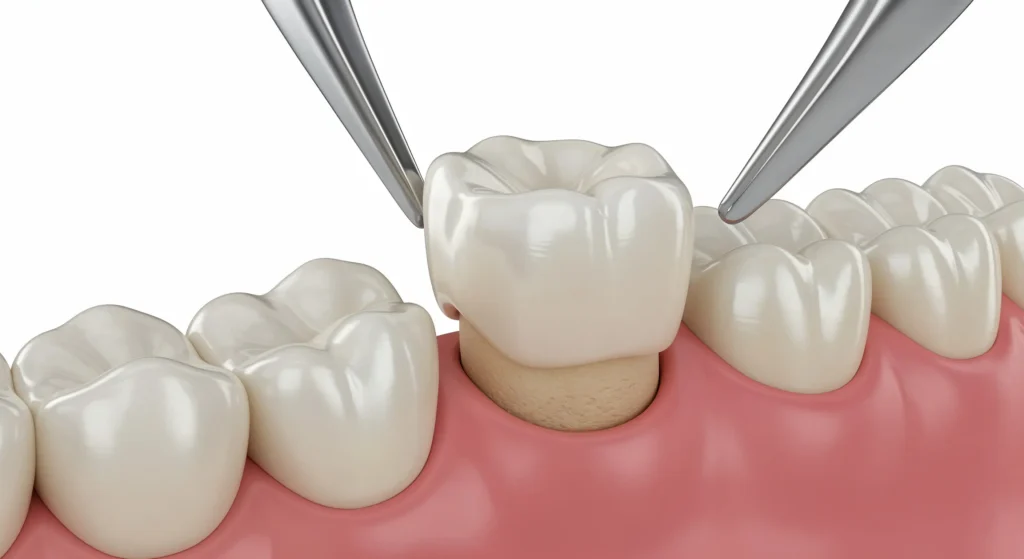

Wisdom tooth pain has a way of taking over everything. People who were fine at breakfast can be calling an Emergency Dentist by dinner, holding the side of their face and wondering how a single tooth could make swallowing, sleeping, and even thinking feel difficult. That reaction is not dramatic. When a wisdom tooth flares up, the pain can be sharp, deep, throbbing, or oddly diffuse. It can spread into the ear, jaw joint, throat, or temple and make it hard to tell where the problem truly started.
What makes wisdom tooth pain especially challenging is that it rarely behaves like a simple cavity. Third molars sit in the very back of the mouth, an area that is harder to clean, harder to examine at home, and more likely to trap bacteria under gum tissue. Some erupt normally and never cause much trouble. Many do not. Partial eruption, crowding, impaction, infection, and pressure on neighboring teeth can all create symptoms that feel urgent, and in some cases, they are.
An experienced dentist learns quickly that wisdom tooth emergencies are not all the same. Two patients can walk in saying, “My back tooth hurts,” and one needs irrigation and antibiotics for an acute gum infection, while the other needs immediate extraction planning because the tooth is pressing sideways into the molar in front of it. Good emergency care starts with sorting out that difference fast, then choosing the safest next step.
Why wisdom teeth create so many urgent visits
Wisdom teeth are the last permanent teeth to emerge, usually in the late teens through the twenties, though there is plenty of variation. By that point, the jaw often does not have much spare room. When a tooth tries to come in through a tight space, it may erupt only partway, stay trapped under bone or gum, or come in at an angle.
That creates a perfect setting for pain. Food debris and bacteria collect around the partially erupted tooth. The overlying gum tissue can become swollen and tender, sometimes to the point that the upper tooth bites into it every time the person closes down. This condition, often called pericoronitis, is one of the most common reasons people seek an Emergency Dentist for wisdom tooth pain. The discomfort can escalate quickly. A patient might describe a dull ache for a few days that suddenly turns into swelling, bad taste, and pain with opening the mouth.
Impacted wisdom teeth cause a different pattern. These teeth may never fully break through the gums, but they can still press against the second molar, create inflammation, or form a cyst around the crown in less common cases. Pressure pain is often described as deep and hard to localize. It may not respond much to brushing or rinsing because the source is below the surface.
Then there is straightforward decay. Wisdom teeth are difficult to reach with a toothbrush and floss, and their position makes them easy to miss during casual self-checks. A cavity in a wisdom tooth can become severe before the person realizes what is happening. By the time they notice sensitivity or constant pain, the nerve may already be involved.
When the pain crosses into a true dental emergency
Not every sore wisdom tooth is a middle-of-the-night crisis, but some symptoms deserve same-day attention. Dentists worry less about pain intensity alone than about the pattern around it. A mild ache that comes and goes is one thing. Swelling, fever, drainage, or trouble swallowing suggests a more serious process.
Here are the signs that usually justify urgent evaluation:
- Facial swelling or gum swelling that is worsening over hours
- Difficulty opening the mouth, swallowing, or speaking normally
- Fever, foul taste, or pus near the back tooth
- Severe pain not controlled by standard over-the-counter medication
- Pain with pressure on the neighboring tooth or signs of spreading infection
In practice, one of the biggest red flags is swelling under the jaw or into the cheek. Dental infections can spread through facial spaces, and while that is not the most common outcome, it is the reason dentists take back-tooth swelling seriously. If https://www.google.com/maps?cid=9042865669086661852 breathing feels affected or swallowing becomes difficult, that moves beyond routine dental discomfort and needs immediate emergency care.
What an Emergency Dentist looks for first
Patients often expect that an urgent dental visit will lead straight to extraction, but that is not always the first or safest move. The dentist has to decide whether the problem is primarily infection, trauma to the gum, tooth decay, pressure from impaction, or referred pain from another source such as the jaw joint or a cracked molar nearby.
A proper emergency exam usually includes a close look at the gum flap around the wisdom tooth, the bite relationship, swelling pattern, and tenderness in the surrounding tissues. X-rays matter here because the visible part of the tooth does not tell the whole story. A partially erupted wisdom tooth may look manageable from the surface while the image shows that it is tilted against the second molar or buried in a way that changes the treatment plan entirely.
This is where judgment matters. If the area is acutely infected and the patient can barely open, immediate extraction may be technically difficult and more traumatic than stabilizing the infection first. On the other hand, if the tooth is clearly the source and accessible, removing it during the urgent visit may bring the fastest relief. There is no single rule that fits every case.
The most common emergency treatments
For inflamed gum tissue around a partially erupted wisdom tooth, treatment often starts with cleaning under the gum flap and flushing the trapped debris and bacteria. That sounds simple, but the difference can be dramatic. Patients sometimes walk in convinced they need surgery that hour, and after careful irrigation and local treatment, their pain drops substantially within a day.
If the tissue is infected or the swelling is spreading, the dentist may prescribe antibiotics. Antibiotics alone do not fix the underlying problem, which is important to understand. They can calm the infection, reduce risk, and buy time, but if the tooth remains partly erupted and impossible to clean, the symptoms often return. That is why many patients improve temporarily, cancel follow-up, then end up back in the chair weeks later with the same issue.
When the tooth itself is badly decayed, fractured, or positioned in a way that is damaging the adjacent molar, extraction becomes the practical solution. Some emergency offices can remove uncomplicated wisdom teeth in-house. Others will stabilize the patient and refer to an oral surgeon, especially for deeper impactions, unusual root shapes, proximity to the nerve, or medical factors that make surgery more complex.
Pain management is another part of the urgent visit. Dentists usually recommend anti-inflammatory medication when medically appropriate because much of wisdom tooth pain comes from inflamed tissue under pressure. For many adults, an NSAID works better than a medication that only dulls pain without addressing inflammation. Still, recommendations depend on the person’s medical history, stomach tolerance, kidney function, blood thinner use, and other medications.
Extraction now or extraction later
This is one of the most common questions in emergency care, and the honest answer is that timing depends on what the exam shows. If the wisdom tooth is infected but still relatively easy to access, and the patient can open well enough for a safe procedure, same-day extraction may be ideal. It removes the source and spares the patient from dragging the problem out.
Yet there are plenty of cases where waiting a short time is smarter. If the tissues are extremely inflamed, local anesthetic may not work as predictably. If the patient has severe trismus, meaning they can barely open the mouth, the procedure may be difficult and uncomfortable. In that setting, the Emergency Dentist may choose to reduce the infection first, let the swelling settle, and schedule removal under better conditions.
Patients sometimes interpret a delay as hesitation, but it is usually the opposite. It reflects clinical judgment. Dentistry is full of moments where doing the definitive treatment immediately is not as safe or effective as staging it properly.
What you can do in the hours before your appointment
Home care will not cure a wisdom tooth problem, but it can reduce irritation and help you get through the wait for treatment. The goal is to keep the area as clean and calm as possible without making it worse.
A few measures usually help:
- Rinse gently with warm salt water several times a day
- Keep food away from the area and avoid hard, sharp, or sticky foods
- Use over-the-counter pain relief only as directed and only if safe for you
- Apply a cold pack to the outside of the face for swelling
- Do not place aspirin directly on the gum, which can burn the tissue
One practical point from everyday clinical experience: people often poke at the area with a toothbrush, cotton swab, or fingernail because they feel something “stuck” behind the last molar. That usually irritates the tissue and pushes debris deeper. Gentle rinsing is better than digging.
Warm salt water is underrated. It does not sterilize the mouth, but it can soothe the tissue and help flush the shallow pocket around a partially erupted tooth. Mix it mild rather than strong. A heavily salted rinse can sting badly when the gum is already inflamed.
Why the pain sometimes feels worse at night
Patients mention this constantly, and they are not imagining it. When you lie down, blood flow and pressure in inflamed tissues can feel more noticeable. There are fewer distractions late at night, and the jaw is not moving as much, so throbbing stands out. Clenching also plays a role. Many people grind or tighten their teeth in their sleep when they are stressed or in pain, which increases pressure around an already irritated wisdom tooth.
Eating patterns matter too. A common scenario is a person with a half-erupted wisdom tooth who gets through the workday with only minor soreness, then eats dinner and traps food under the gum flap. A few hours later the area is swollen, the bite feels off, and the pain spikes. That history often points the dentist toward local inflammation around the erupting tooth rather than a classic cavity.
Cases that look like wisdom tooth pain, but are not
Back-of-the-mouth pain can be deceptive. A decayed second molar in front of the wisdom tooth can refer pain backward. So can a cracked filling, gum abscess, sinus pressure in the upper jaw, or muscle pain from clenching. I have seen patients certain that a wisdom tooth was erupting only to find the wisdom tooth untouched and the real problem hiding in the neighboring molar.
This is another reason urgent assessment matters. Self-diagnosis based on location alone is unreliable. The farther back the problem sits, the more it tends to blend with jaw, ear, and throat sensations. Good imaging and a careful exam keep the treatment targeted instead of guesswork-driven.
If the tooth is infected, will antibiotics be enough?
Sometimes, briefly. Usually, not for the long term.
Antibiotics are useful when there are signs of bacterial spread, swollen lymph nodes, facial swelling, fever, or marked soft tissue infection. They are not a substitute for removing trapped debris, improving drainage, or addressing the tooth position that caused the problem. In dental infections, the source matters. If bacteria keep collecting under a gum flap or inside a badly damaged tooth, symptoms often come right back after the medication ends.
This is one area where patient frustration is understandable. Many people feel better on day two or three of antibiotics and assume the issue is over. Then they postpone the extraction consult. A month later the pain returns, often at a worse time, like before travel, during exams, or over a holiday weekend. From a clinical standpoint, antibiotics are best viewed as a bridge, not a finish line.
The role of oral surgery and specialist referral
Not every wisdom tooth needs a specialist, but some clearly do. A deeply impacted lower third molar close to the inferior alveolar nerve, for example, may carry a higher risk of numbness if removal is difficult. Upper wisdom teeth near the sinus can also call for extra caution. Complex root anatomy, dense surrounding bone, or a medically complicated patient can all shift the balance toward oral surgery.
This should not alarm patients. Referral is often simply good planning. A general dentist may be fully capable of urgent assessment, pain control, and infection management while recognizing that the definitive removal belongs in a surgical setting. The emergency solution is not always “do everything right now.” Sometimes it is “stabilize today, treat definitively in the right environment next.”
Recovery after emergency treatment
Recovery depends on what was done. If the visit involved irrigation and medication but not extraction, discomfort often improves over twenty-four to forty-eight hours, though the area can remain tender for several days. Patients are usually surprised by how much better the jaw feels once the trapped debris is removed.
After extraction, the first few days matter most. Swelling tends to peak around day two or three, not immediately. Mild stiffness in the jaw is common, especially with lower wisdom teeth. Most people do best with soft food, careful cleaning, hydration, and avoiding anything that disturbs the clot, such as vigorous spitting or smoking.
Dry socket is one complication patients hear about often. It is not an infection in the classic sense. It happens when the protective blood clot in the extraction site is lost too early, exposing bone and causing significant pain. It is more common after lower wisdom tooth removal and is strongly associated with smoking. The pain from dry socket usually starts after an initial improvement rather than immediately after surgery.
Cost, timing, and what patients should ask
Wisdom tooth emergencies carry a practical burden beyond pain. People want to know whether they will be treated that day, how much it will cost, and whether they need time off work. The answers vary by office, imaging needed, complexity of extraction, and insurance, but asking direct questions helps.
When speaking with an Emergency Dentist, it is reasonable to ask whether the visit is likely to provide definitive treatment or only evaluation and stabilization. Ask whether imaging is included, whether the office performs wisdom tooth extractions on site, and whether there are signs you should watch for overnight if the tooth is not removed that day.
From the clinician’s side, the patients who fare best are often the ones who act early. A mildly inflamed wisdom tooth seen promptly may need only local care and planned extraction. The same tooth ignored through several painful cycles may become a larger, more expensive, and more disruptive problem.
Special situations that deserve extra caution
Pregnancy, immune suppression, diabetes, blood thinner use, and a history of difficult anesthesia can all affect how wisdom tooth emergencies are handled. So can age. A healthy nineteen-year-old with a partially erupted lower wisdom tooth is a very different surgical patient from someone in their forties whose impacted tooth has dense bone around it and decay on the second molar.
Jaw opening is another factor people underestimate. When pain causes the muscles to tighten, even a straightforward tooth can become harder to access. That can turn a nominally simple extraction into something better scheduled after inflammation improves. Again, urgency is not just about suffering. It is about timing treatment when it can be done safely and effectively.
The bigger picture behind one painful tooth
A wisdom tooth emergency often reveals a pattern that has been building quietly. Maybe the tooth had been erupting off and on for months. Maybe food kept catching there. Maybe cleaning the area was so awkward that the patient simply avoided it. Those details matter because they guide what comes next. Once a wisdom tooth has caused repeated inflammation, it rarely becomes easier to live with over time.
The best emergency care does more than stop tonight’s pain. It identifies whether the tooth can be monitored, whether the gum tissue can be managed conservatively, or whether extraction is the sensible long-term answer. For many patients, the real relief comes not just from getting through the acute episode, but from knowing they are no longer one late meal or one trapped popcorn hull away from another painful flare-up.
Wisdom tooth pain is common, but it should not be dismissed as something to “wait out” when swelling, infection, or severe pain enters the picture. An Emergency Dentist can sort out the cause quickly, reduce immediate discomfort, and decide whether the right solution is cleaning the area, prescribing medication, arranging urgent extraction, or referring to a surgeon. That clarity matters. When the back of the jaw is throbbing and the side of the face feels tight, the most valuable thing is often a careful diagnosis paired with a plan that actually fits the tooth in front of you.
Simple Dental Vermont
Address: 8914 S Vermont Ave, Los Angeles, CA 90044
Phone number: +13239493000
FAQ About Emergency Dentist Los Angeles CA
What can the ER do for a tooth?
The emergency room can provide temporary symptom relief for a bad tooth, such as prescribing pain medicine or antibiotics, but it cannot fix the actual dental problem.
What is the 3-3-3 rule for tooth infection?
The 3-3-3 rule for a toothache or infection typically means taking three 200 mg ibuprofen tablets (600 mg total) three times a day for no more than three days to control pain and swelling while waiting to see a dentist.
What do you do if you have a dental emergency but no dentist?
If you have a dental emergency and no regular dentist, you should search for an urgent care dental clinic, call local walk-in dental offices, or go to a hospital emergency room if you have severe bleeding, swelling, or trouble breathing.