How an Emergency Dentist Can Restore Your Smile After Trauma

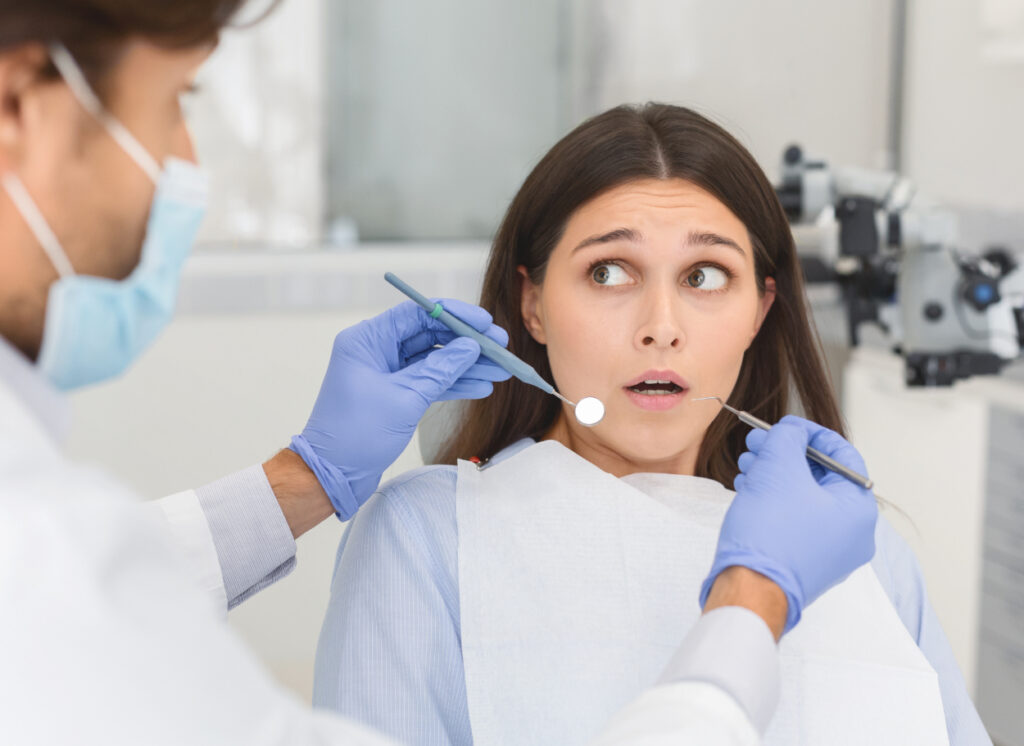
A dental injury changes the day in an instant. One missed catch during a weekend game, a fall on wet pavement, a car accident at an intersection, a collision on the playground, and suddenly a person is holding a broken tooth in their hand or staring at blood in the sink. In those first minutes, most people think about pain. The next thought is usually appearance. Will this tooth be saved? Will my smile ever look the same?
That is where an Emergency Dentist becomes more than a stopgap provider. In trauma cases, urgent dental care is often the difference between preserving a natural tooth and losing it. It is also the starting point for restoring normal function, facial balance, speech, and confidence. The visible part of the smile matters, but trauma rarely affects appearance alone. Biting can change. Jaw joints can become sore. Soft tissues may be torn. Nerves can be damaged. A good emergency response addresses the immediate crisis while setting up the best possible long-term result.
In practice, the strongest outcomes usually come from a combination of speed, careful diagnosis, and restraint. People often assume the first goal is to make the tooth look perfect that same day. Sometimes that is possible. More often, the best dentist thinks in phases. Stop the bleeding. Reduce pain. Reposition teeth if they have shifted. Stabilize what can be saved. Rule https://louispkbc487.talesignal.com/posts/emergency-dentist-care-for-patients-with-broken-night-guards out hidden fractures. Then, once the tissues calm down, plan the cosmetic and restorative work that will bring the smile back.
Dental trauma is rarely as simple as it looks
A chipped front tooth can seem straightforward until an X-ray shows the root has fractured below the gumline. A tooth that looks intact may actually be loosened in the socket. Lips and cheeks can trap small enamel fragments after impact. Children and teenagers add another layer of complexity because developing teeth respond differently to trauma than fully mature adult teeth.
This is why experienced emergency dental care starts with a broad view. The dentist is not just looking at the broken edge of one tooth. They are checking how the upper and lower teeth meet, whether the gums have torn, whether neighboring teeth were jarred, and whether the jawbone or surrounding structures took a hit. In some cases, what appears to be a dental emergency is actually part of a larger facial injury that needs coordination with an oral surgeon or hospital team.
From a cosmetic standpoint, immediate repair matters because front teeth are unforgiving. Tiny changes in edge length, angle, translucency, or position can make a smile look uneven. From a medical standpoint, timing matters because the tissues around a traumatized tooth begin changing quickly. Swelling, blood clots, inflammation, and bacterial contamination all influence the prognosis.
The first hours can shape the final result
There is a reason dentists treat avulsed teeth, teeth that have been completely knocked out, as true emergencies. If a permanent tooth is replanted promptly, the chance of saving it rises significantly. Delay long enough, especially if the root dries out, and the odds drop.
Not every injury is that dramatic, but many follow the same principle. A displaced tooth should be repositioned before it starts stabilizing in the wrong place. A cracked tooth with exposed dentin or pulp needs protection before contamination worsens. A fractured restoration may leave sharp edges that continue damaging the tongue or lips. Even relatively small chips deserve timely care when they affect a front tooth, because dehydration can alter the appearance of enamel and make color matching trickier if treatment is delayed.
When patients call after trauma, the most useful early advice is usually practical and calm:
- If a permanent tooth has been knocked out, pick it up by the crown, not the root, and keep it moist in milk or saliva if possible.
- Apply gentle pressure with clean gauze to control bleeding and use a cold compress on the outside of the face.
- Avoid chewing on the injured side and do not try to force broken pieces back into place.
- Bring any tooth fragments or restorations to the appointment, since they can sometimes help with repair or shade matching.
- Seek immediate medical care first if there is loss of consciousness, severe facial swelling, uncontrolled bleeding, or suspected jaw fracture.
Those steps are simple, but they can preserve options. I have seen otherwise healthy teeth lost because they sat dry in a tissue for an hour. I have also seen seemingly hopeless cases recover surprisingly well because a parent stored a knocked-out incisor properly and reached care quickly.
What an Emergency Dentist does first
The first appointment after trauma is part diagnosis, part stabilization, part damage control. People often hope for certainty right away, but dentistry after an accident can involve a few unknowns. A tooth may test vital on day one and fail weeks later. A root fracture may not show clearly until healing patterns emerge. Color changes can take time. An Emergency Dentist has to balance urgency with honesty.
The examination usually begins with questions that seem basic but matter a great deal. How did the injury happen? Was the impact direct or indirect? Was there any blackout or nausea that suggests a head injury? Did the patient find the missing tooth fragment? Is the bite different now? Was the tooth previously restored or root canal treated? These details influence treatment more than many patients realize.
Clinical evaluation comes next. The dentist checks mobility, percussion sensitivity, soft tissue injuries, occlusion, and pulp exposure. Radiographs help identify root fractures, displacement, bone damage, and hidden fragments. In some offices, photographs are taken immediately, especially for front teeth, because appearance often changes over the next several days as swelling rises or dehydration resolves.
Once the injury is mapped out, treatment usually falls into one of several paths. A small enamel fracture may be smoothed or bonded the same day. A larger break may need a bonded buildup, protective dressing, or crown planning. A displaced tooth can be gently repositioned and splinted. A knocked-out permanent tooth may be replanted and stabilized. If the pulp is exposed, emergency pulp therapy or root canal treatment may be needed, depending on the tooth and patient age.
Restoring appearance after chips, cracks, and fractures
Not all trauma leads to dramatic tooth loss. In fact, one of the most common emergency presentations is a fractured front tooth where part of the crown has broken away. These cases vary widely. A minor chip involving enamel alone can often be polished or repaired with composite bonding in a single visit. A larger fracture that exposes dentin may still be repaired conservatively, but success depends on how much natural structure remains and whether the fracture line extends under the gum.
This is where judgment matters. Composite bonding is often an excellent first-line solution for trauma because it is fast, conservative, and capable of looking remarkably natural in skilled hands. A well-done bonded repair can recreate shape, texture, and color with minimal removal of healthy tooth structure. For a teenager or young adult, that conservative approach is especially valuable.
There are limits, though. A tooth that lost a substantial portion of its biting edge may need a veneer or crown later for durability. A fracture running vertically into the root carries a much poorer prognosis. A crack through a back tooth after trauma might require a full-coverage crown, or in more severe cases, extraction and replacement. Emergency treatment often starts with the least invasive option that protects the tooth while leaving room for a definitive restoration once the injury declares itself.
Patients are sometimes surprised that the dentist does not always rush straight to a permanent crown on the day of injury. There is a good reason. Traumatized teeth can change over time. Gums can recede or swell. The pulp may survive, or it may not. If the tooth position shifts slightly during healing, a final restoration made too early can miss the mark. Temporary or interim solutions are not a sign of uncertainty or poor care. In many trauma cases, they are the most disciplined choice.
When a tooth is knocked loose or pushed out of place
Luxation injuries, where a tooth is loosened, intruded, or displaced, are some of the most underestimated forms of dental trauma. A patient may walk in with all teeth present and assume the problem is minor, yet the supporting tissues around the tooth have been seriously damaged.
If a front tooth has been pushed backward, forward, or sideways, the dentist may be able to reposition it during the emergency visit. That procedure can feel dramatic to the patient, but done carefully and promptly, it is one of the best ways to restore alignment and improve the odds of functional healing. A flexible splint is often used afterward, usually bonded to neighboring teeth for a short period. The goal is support, not rigid immobilization. Teeth need a degree of physiologic movement to heal well.
Inward displacement, especially in younger patients, requires even more nuance. Some intruded teeth re-erupt on their own. Others need orthodontic or surgical repositioning. That decision depends on root development, degree of intrusion, and whether the tooth is interfering with the bite. These are not cases for guesswork.
Appearance plays a large role here. A tooth that heals in the wrong position may remain healthy enough to keep, but still create an obvious asymmetry in the smile. Prompt emergency management improves the chance that later cosmetic treatment will be minimal rather than extensive.
Saving a knocked-out tooth
Few calls create more urgency in a dental office than a permanent tooth that has been completely avulsed. This is one of the clearest examples of how an Emergency Dentist can restore a smile after trauma, because the natural tooth may still be recoverable if conditions are right.
The ideal scenario is straightforward: the tooth is handled by the crown, kept moist, the patient arrives quickly, the socket is evaluated and cleaned as needed, and the tooth is replanted and splinted. Even then, the story is not over. Follow-up is critical. Many replanted teeth need root canal treatment later, especially in adults with closed root tips. Long-term risks include root resorption and ankylosis, where the tooth fuses to the bone.
Yet even with those caveats, replantation is often worth attempting when the circumstances support it. Preserving a patient’s own front tooth, even if only for years rather than decades, can maintain bone and soft tissue contours in a way no immediate prosthetic replacement fully replicates. That matters enormously for esthetics. It can also buy time for a younger patient who is not yet an ideal candidate for an implant.
If the tooth cannot be saved, emergency care still protects the future smile. The socket must be managed properly. Soft tissue must be preserved. A temporary esthetic replacement may be needed quickly, especially for visible front teeth. Thoughtful early management can make the difference between a straightforward implant later and a far more complex reconstruction involving grafting and contour correction.
Soft tissue injuries matter more than patients think
A smile is not made of teeth alone. Lips frame it. Gingiva support it. The contour of the papillae between the teeth determines whether restorations look natural or artificial. After trauma, these soft tissues deserve close attention.
Cuts inside the lips or cheeks can hide tooth fragments. Small lacerations near the gumline can affect future recession. Contaminated wounds may need cleaning, sutures, or medical referral. I have seen cases where a tooth repair looked technically excellent, but the lip scar or missing gum architecture remained the feature the patient noticed every time they looked in the mirror.
Emergency dentists who handle trauma well pay attention to these details early. They photograph soft tissue position, discuss the possibility of delayed contour changes, and avoid making promises the tissues may not support yet. In the best cases, they coordinate with periodontists, oral surgeons, or endodontists when specialized follow-up is needed. Restoring the smile sometimes means knowing when to bring in a wider team.
Pain relief is only part of the job
Patients in acute pain often assume treatment success means the pain stops. Pain control matters, of course, but trauma care goes beyond symptom relief. An Emergency Dentist is trying to preserve biology and architecture at the same time.
A tooth may stop hurting once the exposed nerve is covered or removed, but if the fragment was restored without checking the bite carefully, it may fracture again. A temporary fix may look fine under operatory lights, yet turn opaque or mismatched after rehydration. A loosened tooth may feel better after splinting, but still require months of monitoring for pulp necrosis. Good emergency care includes setting expectations without overwhelming the patient. That can be a delicate conversation, especially when the person is shaken, embarrassed, or anxious about cost.
One of the hardest parts of trauma dentistry is that two truths often exist at once. The immediate repair can be very successful, and the tooth can still develop complications later. That is not failure. It is the nature of traumatized tissues. Patients do best when they understand that restoration after an accident is often a process rather than a single procedure.
The role of follow-up in bringing the smile fully back
Some of the most important work happens after the emergency has passed. This is when color stability, pulp vitality, gum healing, and bite function reveal themselves. The dentist may refine a bonded edge, replace an interim restoration with ceramic, perform root canal treatment if symptoms emerge, or recommend whitening if one front tooth darkens after injury.
Follow-up often includes these priorities:
- Monitoring the nerve status of injured teeth over weeks and months.
- Reassessing the bite after swelling subsides and muscles relax.
- Refining esthetics once hydration and soft tissue contours stabilize.
- Planning definitive treatment such as crowns, veneers, implants, or orthodontics if needed.
- Watching for late complications like resorption, discoloration, or gum recession.
This staged approach is one reason experienced trauma dentists tend to be measured in their language. They know that what appears stable at 24 hours may evolve at six weeks. Patients sometimes read that caution as hesitation. It is usually the opposite. It reflects familiarity with how healing actually unfolds.
Children, teenagers, and adults do not heal the same way
Age changes treatment strategy. In children, baby teeth are managed differently because protecting the developing permanent tooth underneath is often the priority. Replanting a knocked-out baby tooth, for example, is generally not recommended. In adolescents, the roots of permanent teeth may still be developing, which can improve healing potential in some injuries and complicate treatment in others.
Adults bring different concerns. Existing crowns, root canal treated teeth, gum recession, grinding habits, and bone loss can all affect what is possible. A 19-year-old with a clean incisal fracture and healthy gums may do beautifully with bonded repair. A 58-year-old who fractures a heavily restored front tooth near an old post may need extraction and replacement despite fast treatment.
These distinctions matter because patients often compare themselves to a friend’s experience and assume the same outcome should apply. Trauma dentistry does not work that way. The tooth’s prior condition, the force of injury, the timing of care, and the biology of the patient all shape the path forward.
When restoring the smile means replacing a tooth
Even excellent emergency care cannot save every tooth. Some roots split beyond repair. Some teeth arrive too late after avulsion. Some fractures extend so far below the gum and bone that restoration would be unstable or unhealthy. In those moments, the role of the Emergency Dentist shifts from rescue to preservation of the site and protection of the patient’s appearance.
That may mean placing a temporary replacement quickly so the person does not have to leave with a visible gap. It may mean discussing a flipper, a bonded temporary tooth, or an immediate provisional depending on the case. It may also mean preserving bone with grafting at the time of extraction if an implant is likely later. These choices affect not just function, but the shape of the final smile.
What patients often remember most in these situations is not only the procedure itself, but whether the dentist gave them a clear path. After trauma, uncertainty is exhausting. People can accept that a tooth cannot be saved if they understand why, know what comes next, and feel that the esthetic impact is being taken seriously from day one.
The emotional side of facial trauma
It is easy to underestimate how personal a dental injury feels. A broken wrist is painful, but a broken front tooth is public. People cover their mouth when they speak. They cancel meetings. Teenagers avoid photos. Adults who are otherwise composed can become intensely distressed over a small but visible chip.
A seasoned Emergency Dentist recognizes that emotional weight. The appointment is not just technical. It is also restorative in the broader sense. Reassurance has to be grounded in reality, not empty promises. Small gestures matter, such as smoothing a jagged edge immediately, placing a temporary esthetic repair before the patient leaves, or showing close-up photos of the progress so they can see what has already improved.
I have heard patients describe successful trauma visits in very simple terms: “I felt like there was a plan.” That is often what good emergency care provides. Even before the smile is fully restored, the panic eases because the problem has structure.
What to look for if you need urgent dental trauma care
Not every general dental office is equally equipped for trauma cases. Availability matters, but so do experience and diagnostic skill. A practice that routinely handles emergencies will usually be able to assess soft tissue injuries, take appropriate radiographs, stabilize displaced teeth, and coordinate referrals without unnecessary delay.
It helps when the office can offer both immediate repairs and longer-range restorative planning. Trauma rarely respects specialty boundaries. A chipped front tooth may need cosmetic bonding today, endodontic monitoring next month, and ceramic refinement later. Continuity improves results because the early decisions were made with the final appearance in mind.
If there is one lesson repeated across nearly every trauma case, it is this: fast action matters, but smart action matters just as much. The goal is not simply to patch damage. It is to preserve teeth where possible, protect future options where not, and rebuild a smile that looks natural, functions comfortably, and lets the patient stop thinking about the accident every time they catch their reflection.
An Emergency Dentist restores more than enamel. In the best cases, they restore proportion, function, confidence, and a sense that something sudden and frightening does not have to define the smile for years to come.
Simple Dental Vermont
Address: 8914 S Vermont Ave, Los Angeles, CA 90044
Phone number: +13239493000
FAQ About Emergency Dentist Los Angeles CA
What can the ER do for a tooth?
The emergency room can provide temporary symptom relief for a bad tooth, such as prescribing pain medicine or antibiotics, but it cannot fix the actual dental problem.
What is the 3-3-3 rule for tooth infection?
The 3-3-3 rule for a toothache or infection typically means taking three 200 mg ibuprofen tablets (600 mg total) three times a day for no more than three days to control pain and swelling while waiting to see a dentist.
What do you do if you have a dental emergency but no dentist?
If you have a dental emergency and no regular dentist, you should search for an urgent care dental clinic, call local walk-in dental offices, or go to a hospital emergency room if you have severe bleeding, swelling, or trouble breathing.