The Pros and Cons of Invisalign Treatment

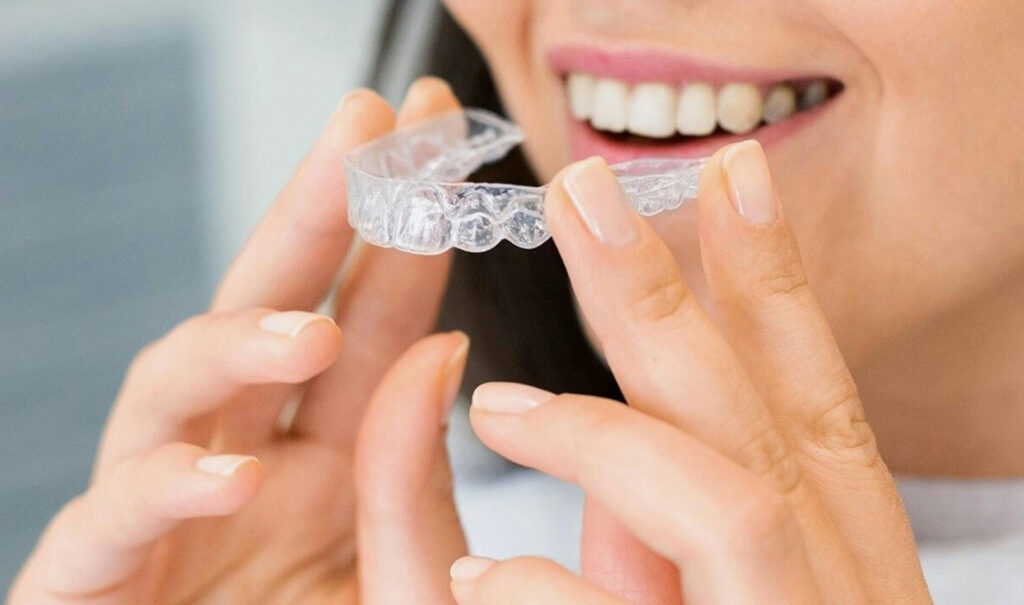
Straightening teeth has never been just about cosmetics. In practice, people usually arrive at the orthodontist with a mix of motives. They want a better smile, certainly, but they also want to stop chipping a front tooth that sticks out, clean crowded lower incisors more effectively, reduce bite wear, or finally fix the relapse that showed up years after braces. Invisalign sits right in the middle of that overlap between appearance and function, which is one reason it has become such a common treatment option.
The appeal is obvious. Clear aligners promise a more discreet path than metal braces, fewer food restrictions, and a routine that feels easier to fit around work, school, and social life. But there is another side to the story. Invisalign is not magic, and it is not equally well suited to every mouth, every bite problem, or every personality. The best decisions happen when patients understand both the benefits and the limits before they begin.
Why Invisalign attracts so many adults and teens
The first thing most people notice about Invisalign is what is missing. There are no brackets bonded across the front of the teeth, no archwires, and none of the visual weight that comes with traditional braces. For professionals who speak all day, for teenagers who are self-conscious in photos, and for adults who put off orthodontic care for years because they did not want metal in their smile, that matters more than some dentists realize.
There is also the day-to-day comfort factor. Clear aligners are made from smooth plastic, custom trimmed to fit around the teeth. That does not mean they are https://zanderzthk377.wordcanopy.com/posts/how-to-track-progress-during-invisalign-treatment painless, because tooth movement always creates pressure, but they tend to avoid the wire pokes and bracket irritation that can make the inside of the lips and cheeks sore during fixed orthodontic treatment. Many patients describe the feeling as tightness rather than sharp discomfort, especially for the first day or two after changing to a new set of aligners.
Another reason for Invisalign’s popularity is control. Patients can remove the trays to eat, drink anything other than water, brush, floss, and for brief special events. That removable quality changes the treatment experience in a very practical way. Someone with braces may need to avoid sticky candy, whole apples, hard crusts, popcorn kernels, or chewing ice. Someone using Invisalign can usually eat normally as long as the aligners come out first and the teeth are cleaned before they go back in.
From a clinician’s perspective, the digital planning is also part of the appeal. Cases are mapped on software before treatment starts, which allows the orthodontist to plan movements in sequence and anticipate where attachments, enamel shaping, or bite adjustments might be needed. Patients often like seeing a simulation of the proposed outcome. It is not a guarantee, but it gives a clearer preview than many people have had in older orthodontic workflows.
The strongest arguments in favor of Invisalign
The advantages of Invisalign become clearer when you look at how people actually live during treatment. Convenience is not a small thing. It affects compliance, morale, and whether a person sticks with care long enough to finish well.
Here are the benefits patients mention most often:
- The aligners are discreet, especially from conversational distance.
- Oral hygiene is usually easier than with braces because brushing and flossing are done without wires in the way.
- Food restrictions are minimal since the trays are removed for meals.
- Office visits may be shorter and less frequent in some cases.
- Soft tissue irritation is often milder than with brackets and wires.
Each of those points sounds simple, but in practice they can make a meaningful difference. Take hygiene. Crowded teeth are already harder to clean. Add brackets, wire ties, and food traps, and the risk of inflamed gums goes up quickly if brushing slips. With Invisalign, patients remove the trays and brush normally. That does not guarantee excellent hygiene, but it removes a mechanical obstacle.
Aesthetics matter too, even if people feel slightly guilty admitting it. An attorney in court, a real estate agent showing homes, a teacher in front of a class, or a college student navigating presentations and social events may all prefer a treatment option that does not announce itself. This is not vanity in the shallow sense. It is often about confidence and comfort in settings where communication is constant.
The removability can also be useful for musicians who play wind instruments or for athletes who already wear custom mouthguards. Braces can complicate both. Aligners are not perfect in those situations either, but the flexibility helps.
Where Invisalign shines, and where it does not
The most important thing to understand is that Invisalign is a tool, not a verdict on whether a case can or cannot be treated. Skilled orthodontists can manage a wide range of malocclusions with clear aligners, including crowding, spacing, some bite discrepancies, and many relapse cases after earlier braces. Still, there are limits.
Mild to moderate crowding is often a strong fit. If the issue is a rotated lower incisor, overlap in the front teeth, small spaces, or a bite that needs refinement without major skeletal correction, Invisalign can perform very well. Adults who had braces as teenagers and stopped wearing retainers are particularly common candidates. Their teeth may have shifted enough to bother them, but not so dramatically that fixed appliances become the only realistic choice.
More complex movements require more judgment. Teeth do not all move equally well with aligners. Root torque, significant rotations of rounded teeth, extrusion, and large bite changes can be less predictable than simple tipping or alignment. Orthodontists often improve control by placing small tooth-colored attachments on the teeth, using elastics, adjusting the treatment plan mid-course, or combining aligners with other techniques. Even with those tools, some cases remain better suited to braces.
This is where marketing can mislead people. A patient may assume that because Invisalign is common, it is universal. It is not. Severe skeletal discrepancies, impacted teeth, certain extraction cases, and highly complex bite corrections may still be better managed with fixed appliances, or with a combination of orthodontics and surgery. That does not make Invisalign inferior. It simply means biomechanics still matter.
The hidden downside: success depends heavily on the patient
Traditional braces are always on. Invisalign only works when it is worn. That single fact is the biggest practical drawback, and it outweighs many others.
Most orthodontists recommend wearing aligners around 20 to 22 hours per day. Miss that target regularly, and the trays stop fitting as intended. Once fit starts to drift, movement becomes less predictable. Patients then need refinement scans, extra aligners, longer treatment, or in some cases a switch to braces. The people who do best with Invisalign are not necessarily the most disciplined in life overall, but they are able to build a reliable routine. They remove the trays for meals, put them back promptly, and avoid letting them sit in a napkin at restaurants until someone clears the table.
This is why personality matters as much as the bite. A highly motivated adult with a full schedule may be an excellent Invisalign patient because they value the result and can stick to the process. A teenager who loses retainers, skips wear, and snacks constantly may struggle, even if the case looks easy on paper.
The removability that feels like freedom can turn into a liability. I have heard more than one patient say some version of the same sentence halfway through treatment: “I did not realize how often I graze during the day until I had to take these in and out every time.” That sounds minor until you live it. If someone sips sweetened coffee for hours, snacks between meetings, and forgets to brush after lunch, Invisalign becomes less convenient than it first appeared.
The realities of comfort, speech, and appearance
“Invisible” is a useful shorthand, but it is not literally true. Up close, aligners are visible. Attachments, which are small composite bumps bonded to certain teeth to improve grip and movement, can be visible too. Some cases need many of them. Patients with very high cosmetic expectations sometimes feel surprised when they discover that clear does not mean undetectable.
Speech can change briefly as well. A mild lisp or slight alteration in tongue placement is common for the first few days, especially with upper aligners. Most people adapt quickly. Those who speak for a living often worry about this more than it ultimately affects them, but the adjustment period is real.
Comfort deserves an honest explanation. Invisalign is generally more comfortable than braces in terms of soft tissue irritation, but not necessarily free of soreness. The first 24 to 48 hours of a new tray can bring pressure, tenderness while chewing, and the familiar sensation that the teeth are being pushed in a new direction, because they are. People who expect zero discomfort because the trays are smooth plastic can feel caught off guard.
There is also the cleaning routine. Aligners can trap saliva and, if hygiene slips, plaque, stain, and odor. Coffee, tea, red wine, and smoking can discolor them. Patients quickly learn that “just for a minute” is how trays end up going back in over unbrushed teeth, which is a fast path to bad breath and unhealthy gums. None of this is severe, but it is maintenance, and it is daily.
Cost and value are not always the same thing
Many patients ask whether Invisalign costs more than braces. The honest answer is that fees vary by region, case complexity, provider experience, and what is included in treatment. In some practices the price is similar to braces. In others, Invisalign carries a higher fee. Either can be reasonable, depending on the circumstances.
What matters more than the sticker price is value for the specific case. If Invisalign can achieve the same clinical outcome with a treatment experience that better fits the patient’s life, the added cost may be worth it. If the case is likely to need extensive refinements, elastics, attachments everywhere, and very strict compliance, the theoretical convenience may fade, and braces may offer more efficiency and control for the money.
Refinements deserve special mention because they are common. Teeth do not always track exactly as software predicts. Mid-course corrections happen. Additional scans and extra aligners are not automatically signs of failure. They are part of real orthodontics. Still, patients should ask upfront whether the quoted fee includes refinements, retainers, follow-up visits, and replacement trays if one is lost. Those details affect both cost and satisfaction.
Not every “Invisalign candidate” is a good candidate
When I think about who tends to do well, I look less at age and more at habits, expectations, and anatomy. The ideal patient is not someone chasing a perfect simulation on a screen. It is someone who understands the process, accepts the trade-offs, and has a bite problem that fits the method.
A strong candidate usually has several of these traits:
- Mild to moderate alignment or bite issues, or relapse after previous orthodontic treatment
- Good periodontal health and a commitment to brushing and flossing well
- The discipline to wear trays 20 to 22 hours most days
- Realistic expectations about attachments, refinements, and treatment time
- A provider who has evaluated the case carefully rather than promising a one-size-fits-all solution
That last point matters more than many people realize. Invisalign treatment is not interchangeable across providers. Experience influences case selection, staging of tooth movement, use of attachments, and when to intervene if tracking goes off course. The aligners themselves are only part of the treatment. The diagnosis and supervision behind them are the larger part.
This is also where mail-order aligner culture caused confusion for a while. Moving teeth safely involves more than straightening visible front surfaces. Roots, bone levels, gum health, bite contacts, jaw relationships, and long-term stability all matter. A case that looks simple in a selfie can be more complicated once radiographs and a full exam enter the picture.
The issue patients often underestimate: retention
One awkward truth about all orthodontics is that teeth want to move. Invisalign can straighten them beautifully, but when treatment ends, retention begins. This is not a technicality. It is the price of keeping the result.
Patients who disliked the discipline of wearing active aligners may be disappointed to learn that retainers are non-negotiable. Protocols vary, but most orthodontists advise full-time retainer wear initially, followed by nighttime wear long term. Skip that, and relapse can happen gradually or surprisingly fast, especially in the lower front teeth.
The irony is that people who choose Invisalign because they value flexibility are sometimes the same people who resist retention afterward. In practice, the best outcomes tend to come from patients who treat retainers as part of the original investment rather than an optional add-on. That mindset preserves the result they paid for.
How treatment time can surprise people
Marketing often encourages the idea that clear aligners are faster. Sometimes they are. Sometimes they are not.
A short relapse case might finish in six to nine months. A moderate crowding case may take 12 to 18 months. More complex treatment can run longer. The challenge is that treatment time with Invisalign is tightly linked to wear time and tracking. A patient who follows instructions closely may move efficiently. A patient who wears trays inconsistently can add months without realizing it.
There is also a subtle timing issue. Because aligners are changed in stages, patients may feel less “dramatic” movement than they expected early on, especially if the first phase is creating space or leveling the bite before obvious cosmetic changes appear. That can lead to doubt. Then, a few months later, the smile begins to look markedly different. Braces and aligners both require patience, but aligners can test it in a particular way because the process feels so self-managed.
A balanced view for anyone deciding between Invisalign and braces
The decision is rarely about which treatment is “better” in the abstract. It is about which treatment is better for a specific mouth and a specific person. Invisalign’s strengths are real. It is discreet, practical, hygienic, and often very effective in the right hands and the right cases. Its weaknesses are equally real. It depends on compliance, can be less predictable for certain movements, and sometimes asks for more discipline than patients expect.
The best consultations are the ones that move past marketing language quickly. A good provider will explain what your bite problem actually is, what Invisalign can fix predictably, where the risks lie, whether attachments or elastics are likely, how long treatment may take, and what refinements might be needed. They will also tell you when braces would offer a stronger or more efficient path.
For many adults and teens, Invisalign is an excellent choice, especially when appearance, flexibility, and oral hygiene are top priorities. For others, traditional braces remain the smarter tool because they remove the compliance variable and offer tighter control over difficult movements. Neither answer is glamorous, but both can be correct.
The real advantage comes from choosing treatment with clear eyes. If you value discretion, can commit to wearing aligners faithfully, and have a case that fits the method, Invisalign can be a remarkably effective way to straighten teeth. If you want a system that works even on your least organized days, or your bite demands more force and precision than removable trays can reliably deliver, braces may serve you better. Orthodontics rewards honesty, especially the kind you have with yourself before you start.
Omni Dental Specialty
Address: 1690 E Gonzales Rd, Oxnard, CA 93036
Phone number: +18053666000
FAQ About Invisalign
How much does Invisalign actually cost?
The out-of-pocket cost for Invisalign typically ranges between $3,000 and $8,000, with most patients paying a national average of roughly $5,100 to $5,700 before insurance.
What is the downside to Invisalign?
The biggest downsides to Invisalign are the intense discipline required to wear the trays 22 hours a day, the inconvenience of removing them to eat or drink, and the inability to fix severe, complex orthodontic issues.
Is $5000 a lot for Invisalign?
No, $5,000 is not considered a lot for Invisalign; it is exactly the national average. Treatment costs typically fall between $3,000 and $8,000, and $5,000 is the standard fee for a moderately complex case that takes 6 to 18 months to complete.